
CCC's collaborative platform "Everyone's Ethical Food Lab" launches "Food Sustainability Forum 2026"
2026.09.16
Press Releases
Culture Convenience Club Co., Ltd.
—Co-creating a new form of consumer communication to replace "ethical"—
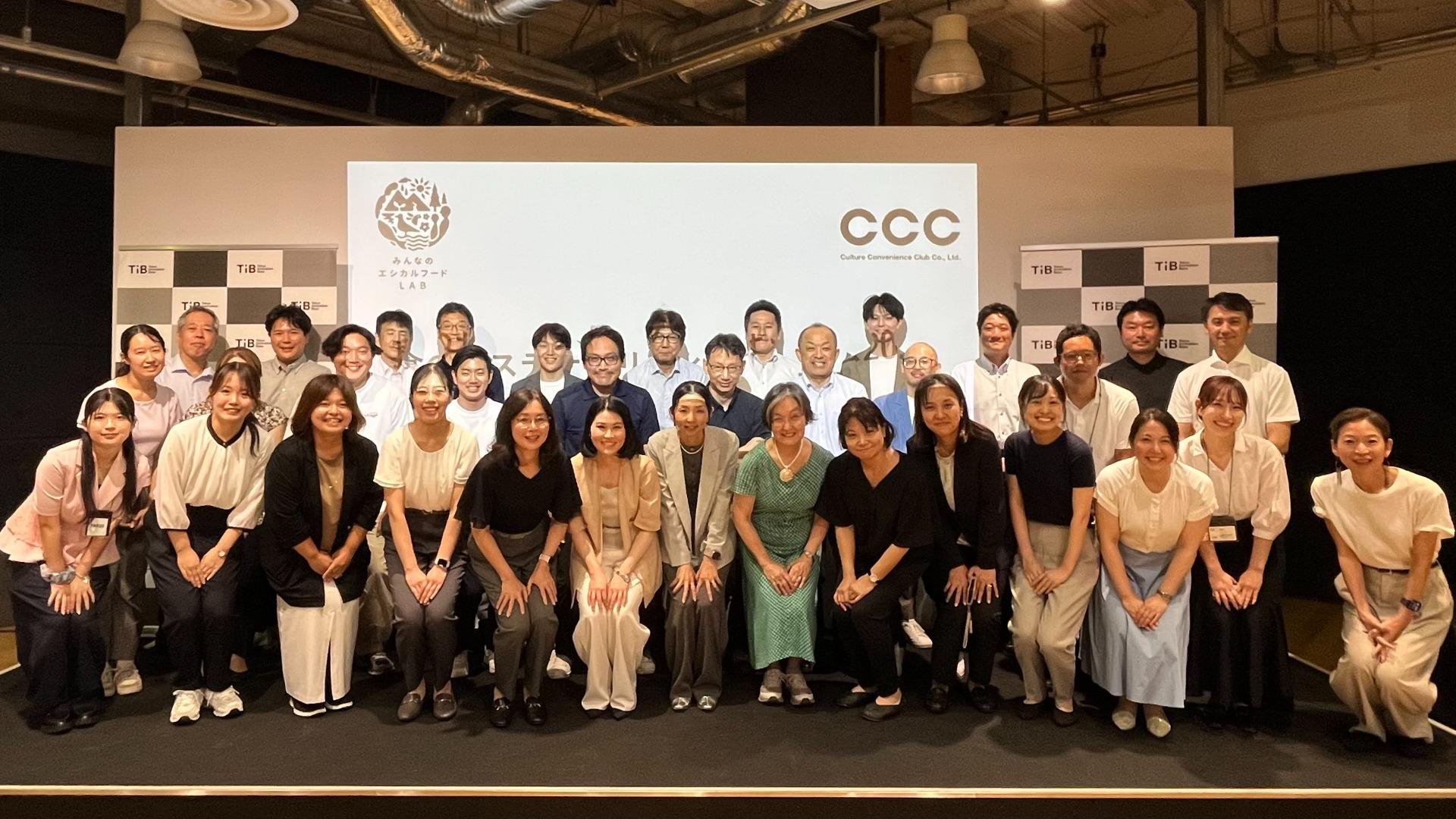
Culture Convenience Club Co., Ltd. (Headquarters: Yokohama City, Kanagawa Prefecture, President and CEO: Yasunori Takahashi, hereinafter referred to as "CCC"), which operates the collaborative platform "Minna no Ethical Food Lab," held the first Future Session of the "Food Sustainability Forum 2026," titled "Thinking about a new word to replace 'ethical'," at Tokyo Innovation Base on Thursday, August 27, 2026. This forum brought together companies and organizations from various industries, including food manufacturers, distributors, and IT companies.
"Minna no Ethical Food Lab":https://ethical.ccc.co.jp/
In the "Food Sustainability Forum" held until last year, stakeholders from across various industries and sectors participated, and it became clear that Japanese consumers rarely choose ethical products solely based on their "social value." Instead, appealing to consumers by linking ethical products to the inherent value of the product itself—such as taste, enjoyment, quality, health, and brand recognition—is crucial in increasing their purchasing intent.
Based on these findings, 2026 will mark a shift to the "appealing to consumers" phase. To overcome the inherent ambiguity of the term "ethical" and to explore ways to communicate in a way that consumers can relate to more personally and that leads to purchases, we will challenge ourselves to develop a new keyword to replace "ethical" and to sell products under that new keyword.
Regarding the 1st "Food Sustainability Forum 2026"
On Thursday, August 27th, the first event was held at "Tokyo Innovation Base (TiB)," a hub for startup support and innovation creation. Approximately 50 people from companies and organizations across various industries participated, including Axial Retailing Co., Ltd., Agro Ludens Co., Ltd., Ethical Spirits Co., Ltd., S&B Foods Co., Ltd., MSC Japan, Kagome Co., Ltd., Green Ace Co., Ltd., Seven & i Holdings Co., Ltd., Seven-Eleven Japan Co., Ltd., Taiheiyo Breeding Co., Ltd., Nichirei Foods Corporation, NINZIA Co., Ltd., Beer the First Co., Ltd., Harashin Narus Operation Service Co., Ltd., Hitachi Solutions, Ltd., Prima Ham Co., Ltd., Mizkan Co., Ltd., Meiji Holdings Co., Ltd., United Supermarket Holdings Co., Ltd., and YUMRICH Co., Ltd./Academia Rikkyo University.
■Opening remarks
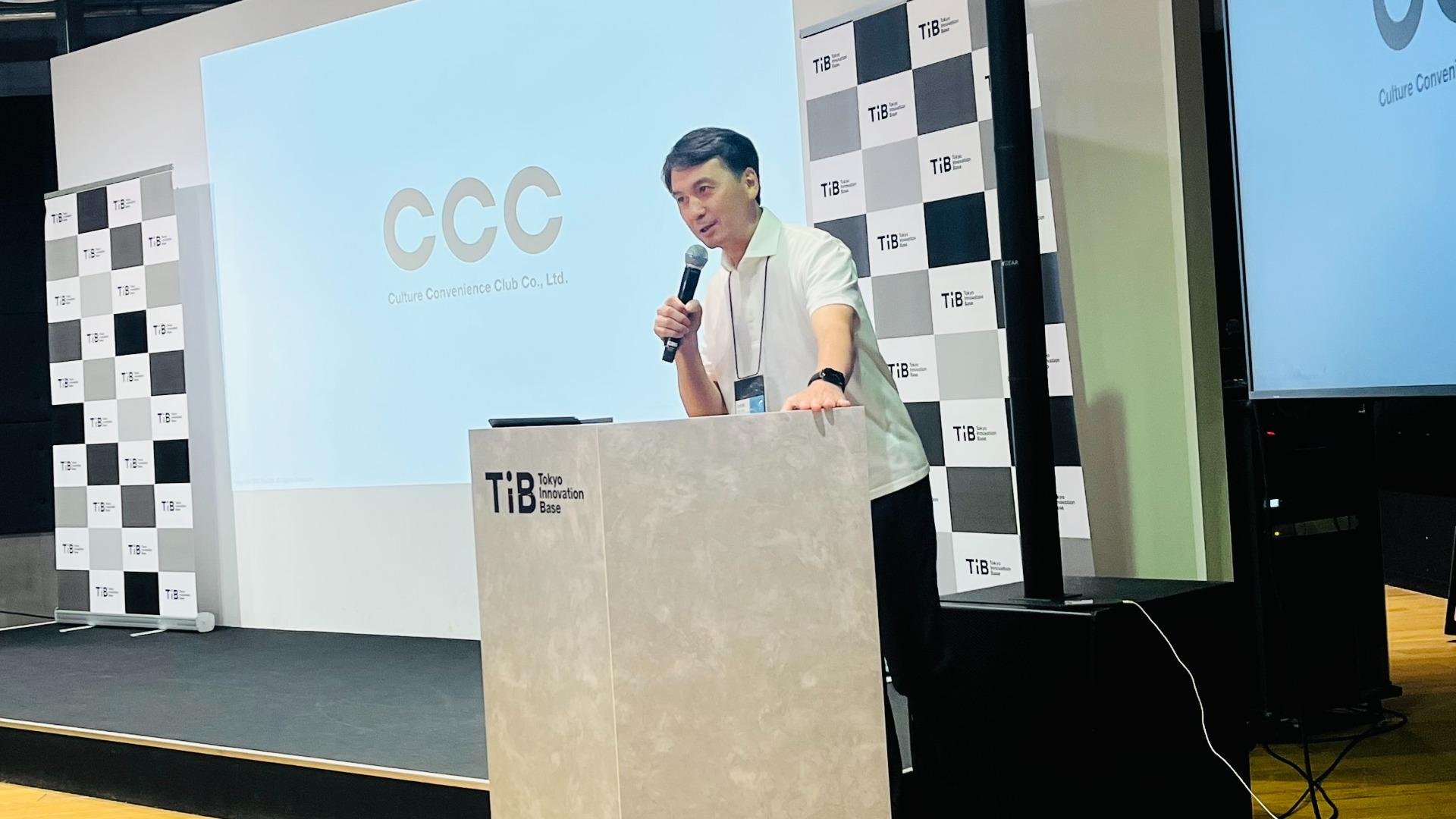
Hidetoshi Yasuda (Executive Officer in charge of Social Design Business at CCC)
"The CCC Group has so far created various spaces, such as TSUTAYA BOOKS, shared lounges, and public facilities like libraries, providing 'value that can only be experienced there' and 'value of a comfortable space,' thereby generating 'soft cycles' of culture and community."
In recent years, as the realization of sustainable local communities has become increasingly important, we believe that this circular system is also crucial in the realm of "food," one of the lifestyle genres that we focus on. Starting with food, we re-examine the connections between producers, distributors, consumers, and the world and the environment, and propose "ethical living" and "sustainability" to consumers. This "food cycle" cannot be achieved by a single company alone. Co-creation with the companies and organizations gathered here today, as well as with the local community and residents, is essential.
As of fiscal year 2026, the "Minna no Ethical Food Lab" has been transferred to CCC. Leveraging the connections and knowledge we have cultivated so far, we hope to continue engaging in dialogue, experimentation, and verification with everyone, and together create new value that leads to sustainable living. Today's idea session is a very important initiative in that sense. "
■ The history of "Minna no Ethical Food Lab" and the outlook for 2026
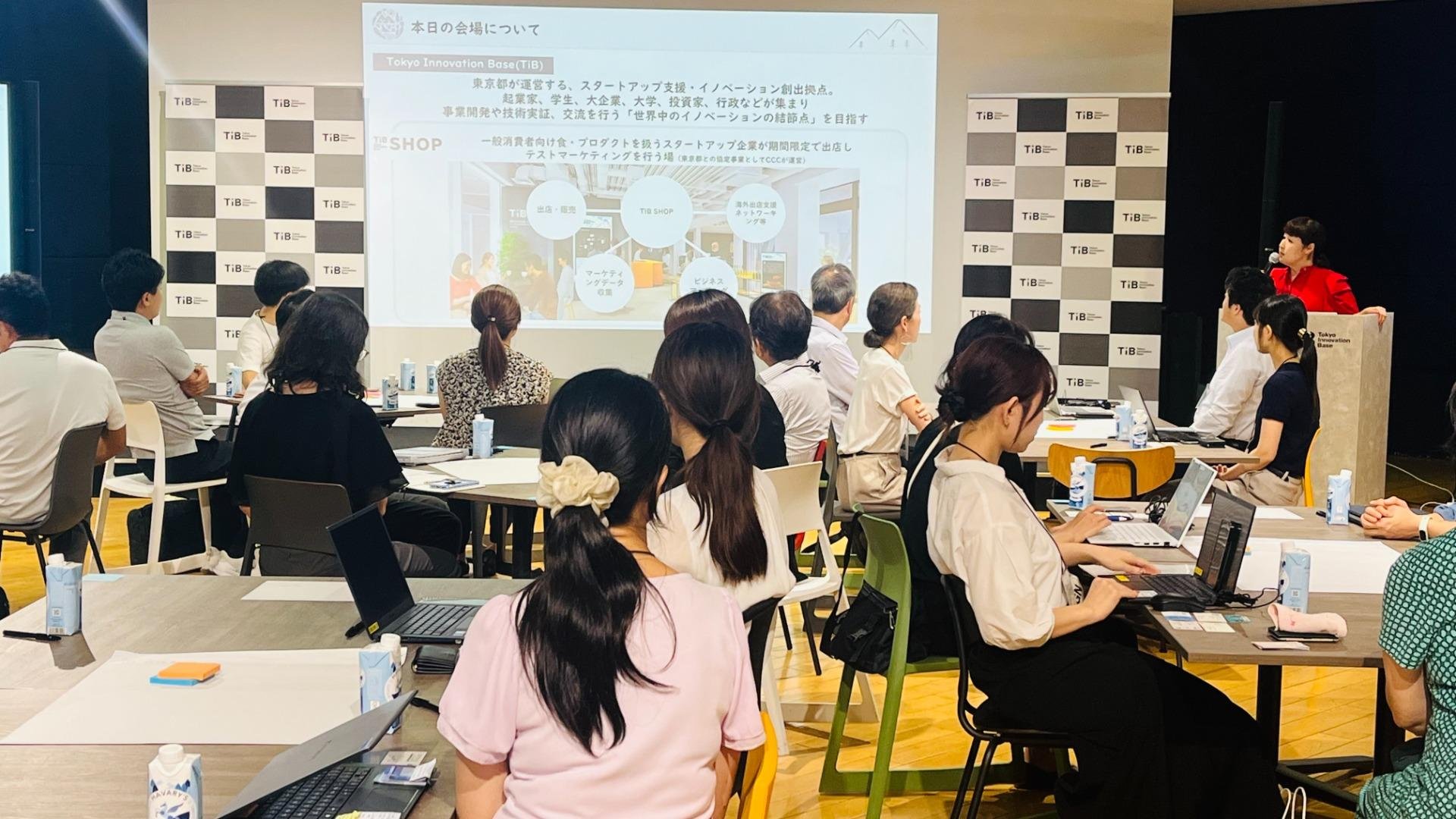
Nozomi Takita (Leader, CCC Minna no Ethical Food Lab)
"In response to the major social challenge of sustainable food, 'Minna no Ethical Food Lab' was established in 2021 to create a social impact that cannot be achieved by a single region or single company alone."
Since its launch in 2024, this forum has been conducting research to translate the social value of "ethical" into consumer value, such as deliciousness, health, and personal satisfaction, recognizing the current situation in Japan where such social value alone does not easily translate into consumer value. Previous pilot studies have revealed specific insights, such as the fact that women in their 30s to 50s are more likely to purchase products when value is translated, while younger generations perceive ethical practices themselves as valuable.
In 2026, we will finally enter the "appealing to consumers" phase. We aim to co-create a new appeal keyword with you to replace the term "ethical," and through actual store deployments, we will strive to create a society where sustainable food options become commonplace. "
■ "Future Session": Thinking about new words to replace "ethical"
Facilitator: Mr. Hideyuki Arifuku, Representative Director, Article Co., Ltd.
"The purpose of today's session is not simply to decide on beautiful and cool words on the spot." This project aims to articulate and visualize, from multiple perspectives, the essential value related to ethical practices that you all feel today, while imagining a future where ethical food is commonplace.
Because this is a place where people from all walks of life, from large corporations to startups and experts, gather, we value each individual's thoughts and differences, and draw out insights that emerge from dialogue. I am confident that the numerous hints and raw ideas generated in this way will be an important step towards developing new keywords that will resonate with consumers in the future. "
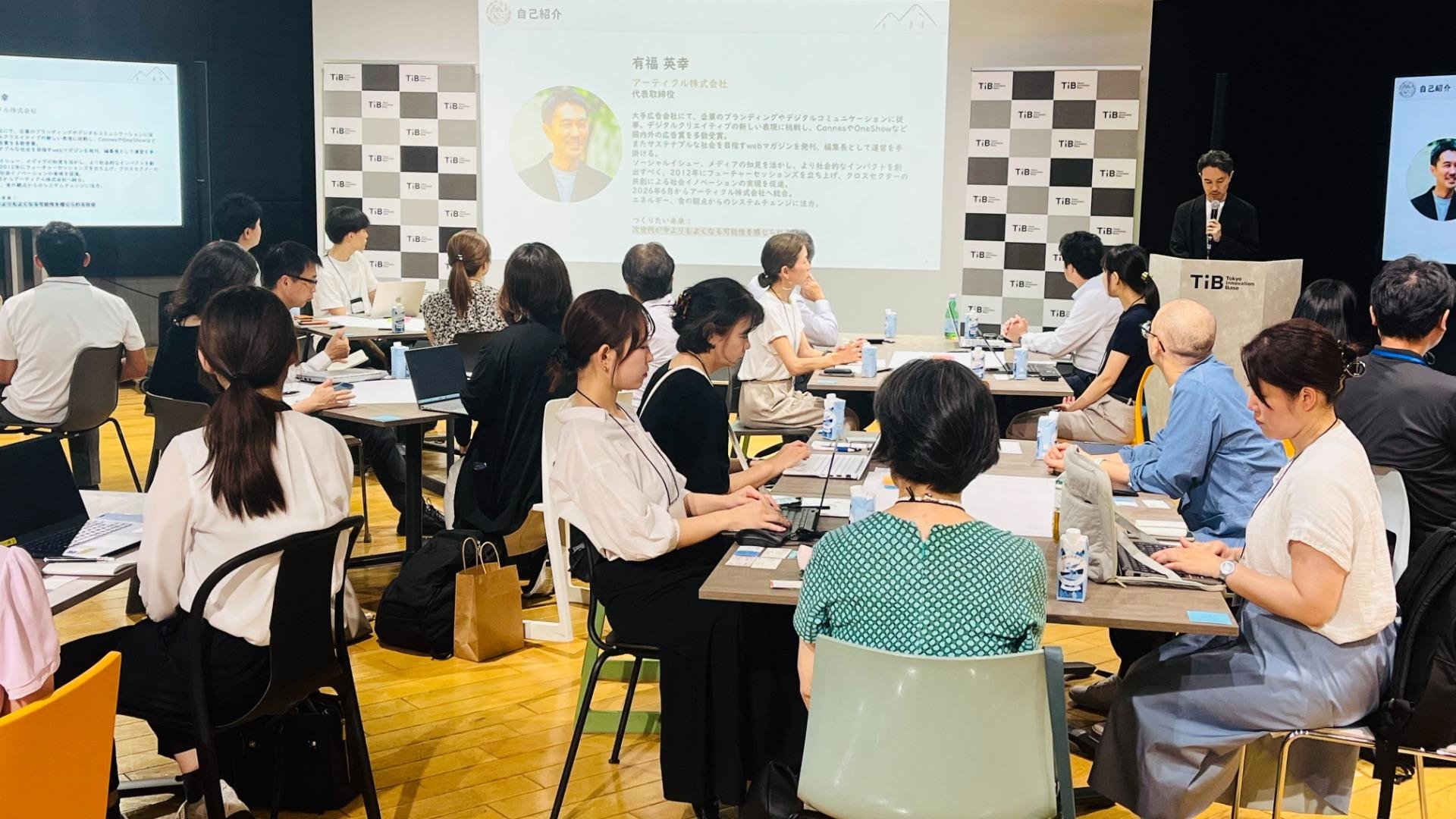
With the cooperation of Article Co., Ltd., we utilized the creative dialogue method "Future Session" to conduct the following idea sessions with the aim of "articulating the essential value related to ethics from multiple perspectives."
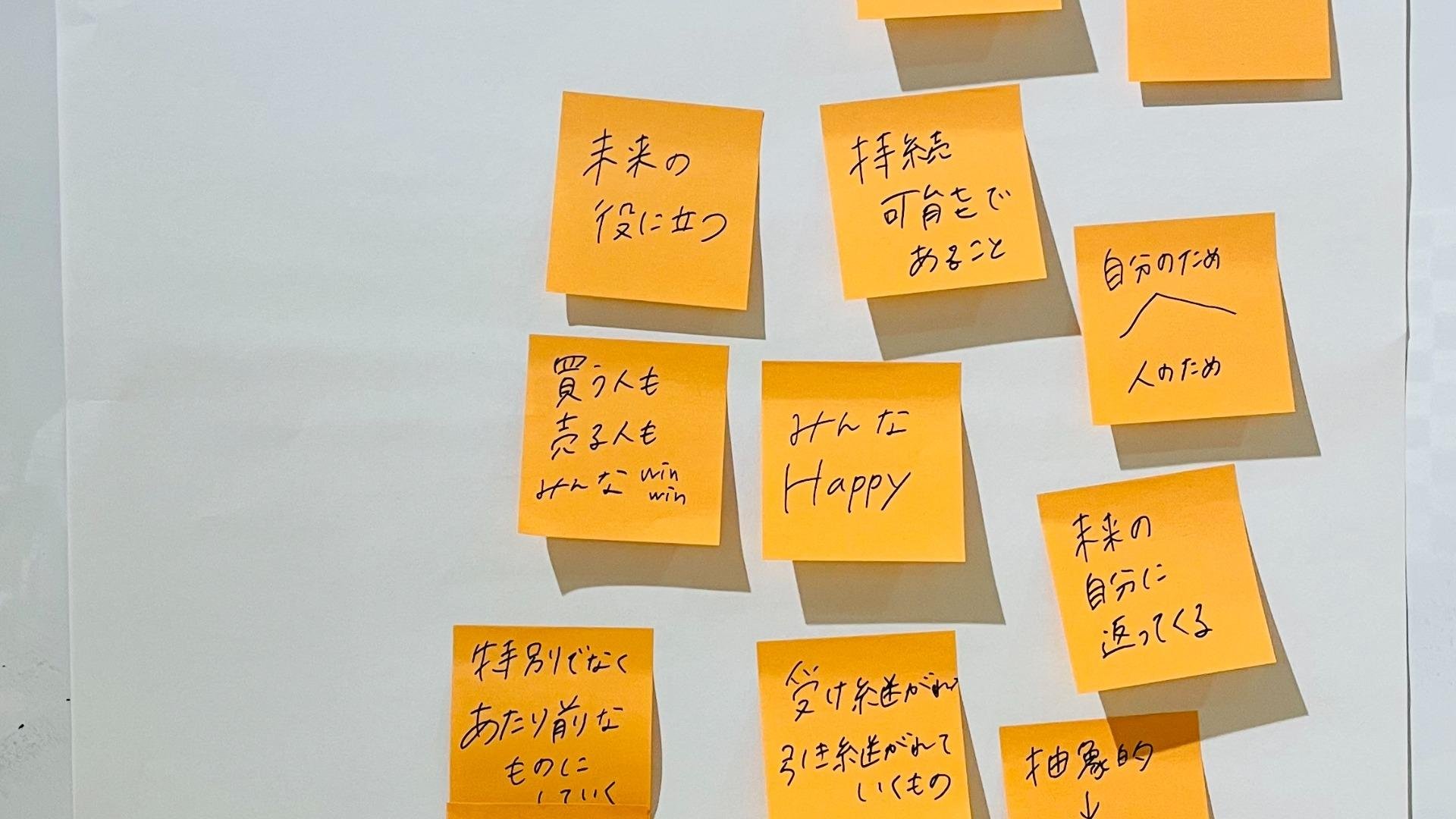
Group discussion (1): What is the goal of ethical practices?
Each participant envisioned the "future of food" they wanted to realize and the vision they wanted to share with consumers, and then deepened the dialogue by incorporating their own personal experiences and thoughts on how "ethical" practices can relate to and contribute to that vision.
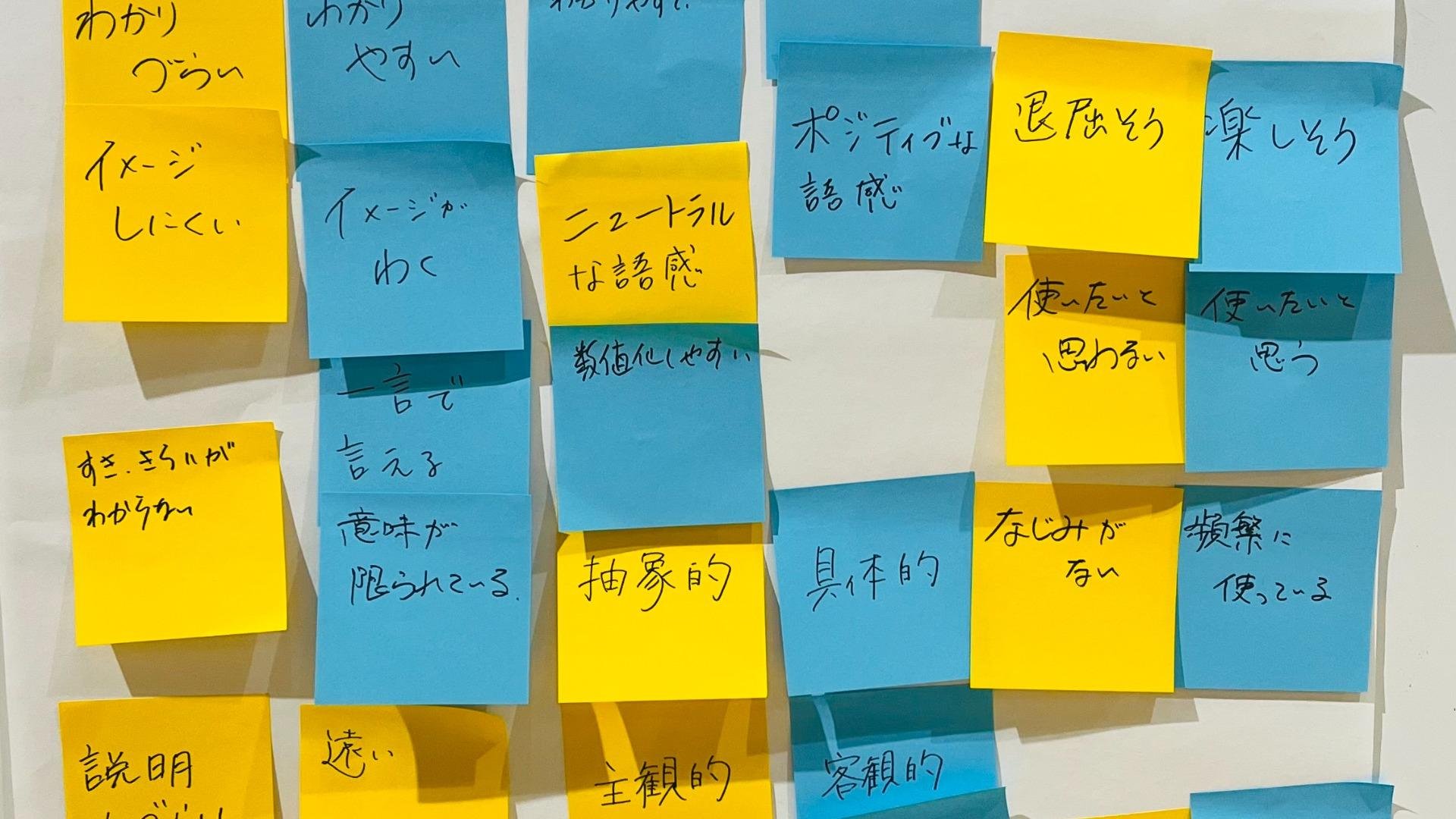
• Group discussion (2): What are the challenges of ethical practices?
We conducted a workshop where we verbalized the challenges currently facing ethical practices by pairing them with their "opposite concepts (the ideal state)," such as "serious → fun," "someone else's problem → personal," and "difficult → gentle."
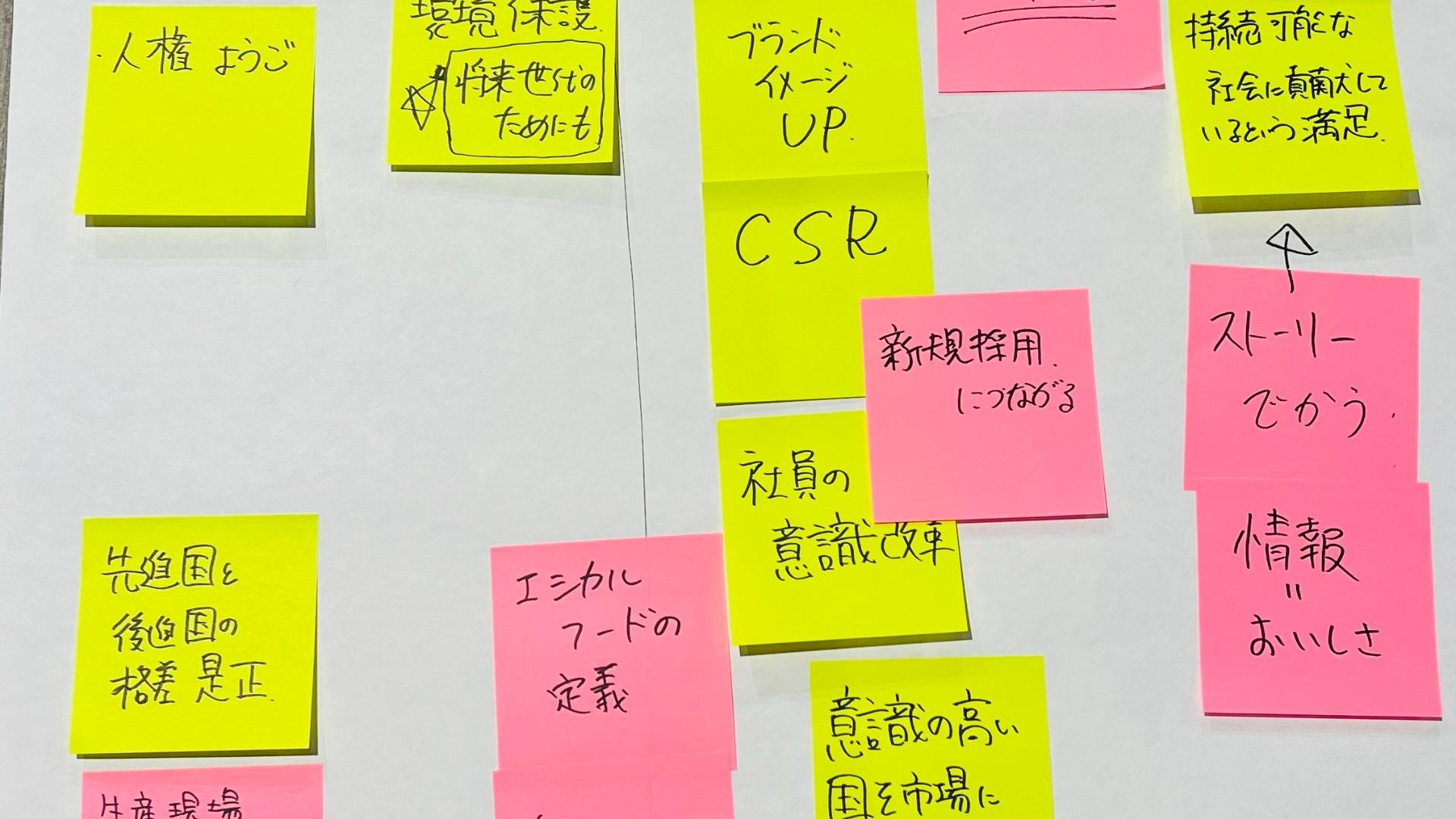
Group discussion (3): What is the essential value of ethical food?
From three perspectives—"social value," "organizational value," and "personal value"—we deepened our dialogue about the essential value of ethical food, which can be discussed not as an ideal or objective concept, but as something that resonates with our own personal experiences.
- Overall sharing and individual work for summary
The presentations from each group went beyond mere idealism, sharing raw insights into consumer purchasing psychology, challenges faced in marketing, and multifaceted perspectives for building sustainable business models.
Main presentation content of each group
Group 1: The essence is balancing it with "deliciousness" (ethical = it has to be delicious)
No matter how much social value or health consciousness a product may have, I concluded that "it won't catch on unless it tastes good." The essence of the matter was revealed: personal health, improved corporate image, and social value all depend on the inherent appeal of the product—its deliciousness.
Group 2: A long-term "win-win-win" cyclical structure
We presented the concept of "three-way satisfaction," where social value, organizational value, and personal value are interconnected in the long term. We have organized the structure in which overcoming immediate challenges and continuing to work towards them leads to the preservation of the global environment, the sustainable survival of companies, and the healthy and fulfilling lives of consumers.
Group 3: Facing the "gap" that exists between corporate value and social value.
The report pointed out challenges in connecting positive consumer experiences with corporate social responsibility (environmental considerations, elimination of child labor, etc.). Questions were raised about building effective models, such as the risks of greenwashing and the difficulty of proving whether personal satisfaction truly leads to solving social problems.
Group 4: Creating "peace of mind" that connects all stakeholders
We defined "security" as the central principle that underlies our personal, organizational, and social values. The importance of a circular economy that provides security was discussed, encompassing food safety and health (individuals), the ability to continue production with pride while considering the environment (producers and companies), and the protection of the natural environment and ecosystems (society).
Group 5: Consumer self-affirmation of "I'm wonderful" and the raw reality of marketing
We focused on the self-affirmation that comes from thinking, "I'm so great for buying this," and the consumer value that makes you want to support the product. At the same time, a multifaceted dialogue took place, including a practical marketing perspective that could serve as a "differentiation point for latecomers" for the companies involved.
Group 6: "Coolness that doesn't make you conscious of it" and concerns about it being forced
We discussed the negative backlash risks that can arise from imposing ethical standards or letting a sense of justice run wild. The presentation highlighted the need for a "smart approach of doing things casually and naturally without overemphasizing ethics," and for a delicate balance in communication that avoids excessive PR.
Group 7: "Positive verbalization" to enhance self-esteem
We proposed an approach that fosters a sense of self-affirmation through actions, such as feeling that one is "contributing to society" and "doing well." The conclusion is that replacing negative and relatable language encourages purchases, extends the lifespan of a company, and leads to the creation of a better future.
Group 8: Conceptualization and Creation of "Economic Value"
Recognizing the low level of interest due to its lack of clarity as a problem, we proposed presenting concrete images such as benefits for future generations (society), business growth and strengthening recruitment (companies), and a sense of contribution (individuals). The importance of "economic growth and value creation" as a common axis for achieving both social and organizational value was confirmed.
Regarding the future of the "Food Sustainability Forum 2026"
Based on the ideas generated during the forum sessions, we will conduct research and analysis in collaboration with Associate Professor Takumi Kato of the Faculty of Commerce, Meiji University, to develop and select several new keywords and taglines to replace "ethical."
Furthermore, using the keywords we have developed, we will hold an Ethical Food Fair (tentative name) from mid-January to the end of February 2027 at stores such as Shonan T-SITE, Kashiwanoha T-SITE, Nara TSUTAYA BOOKS, and TSUTAYA Minatomirai. Through the sale and proposal of ethical products from participating companies and local areas, we aim to spread awareness among consumers. (※Content is subject to change)
CCC, together with all stakeholders involved in "food," including consumers, manufacturers, and distributors, aims to promote the widespread adoption of ethical food in society and to contribute to creating a sustainable food cycle for the future through each and every activity of the "Minna no Ethical Food Lab."
Overview of the 1st "Food Sustainability Forum 2026"
• Date and Time: August 27, 2026 (Thursday), 15:00 - 18:00
• Venue: Tokyo Innovation Base (3-8-3 Marunouchi, Chiyoda-ku, Tokyo)
Organizer: Minna no Ethical Food Lab (Culture Convenience Club Co., Ltd.)
・Implementation cooperation: Article Co., Ltd.
• Research collaboration: Takumi Kato, Associate Professor, Faculty of Commerce, Meiji University
・Participating companies
Axial Retailing Co., Ltd., Agro Ludens Co., Ltd., Ethical Spirits Co., Ltd., S&B Foods Co., Ltd., MSC Japan, Kagome Co., Ltd., Green Ace Co., Ltd., Seven & i Holdings Co., Ltd., Seven-Eleven Japan Co., Ltd., Taiheiyo Breeding Co., Ltd., Nichirei Foods Corporation, NINZIA Co., Ltd., Beer the First Co., Ltd., Harashin Narus Operation Service Co., Ltd., Hitachi Solutions, Ltd., Prima Ham Co., Ltd., Mizkan Co., Ltd., Meiji Holdings Co., Ltd., United Supermarket Holdings Co., Ltd., and YUMRICH Co., Ltd./Academia Rikkyo University
About "Minna no Ethical Food Lab" (https://ethical.ccc.co.jp/)
"Minna no Ethical Food Lab" is a co-creation platform that started in 2021.
In response to the social challenge of "sustainable food," we are working with a diverse range of stakeholders across industries, including consumers, manufacturers, retailers, and organizations, to promote "ethical food choices" throughout society.
Documents related to this matter
CCC launches collaborative platforms "Minna no Ethical Food Lab" and "Food Sustainability Forum 2026".
For inquiries regarding this matter:
Culture Convenience Club Co., Ltd. Public Relations Department
TEL: 045-522-8154/MAIL: inquiry@ccc.co.jp
If you resonate with the content of this site, please feel free to share it.


