
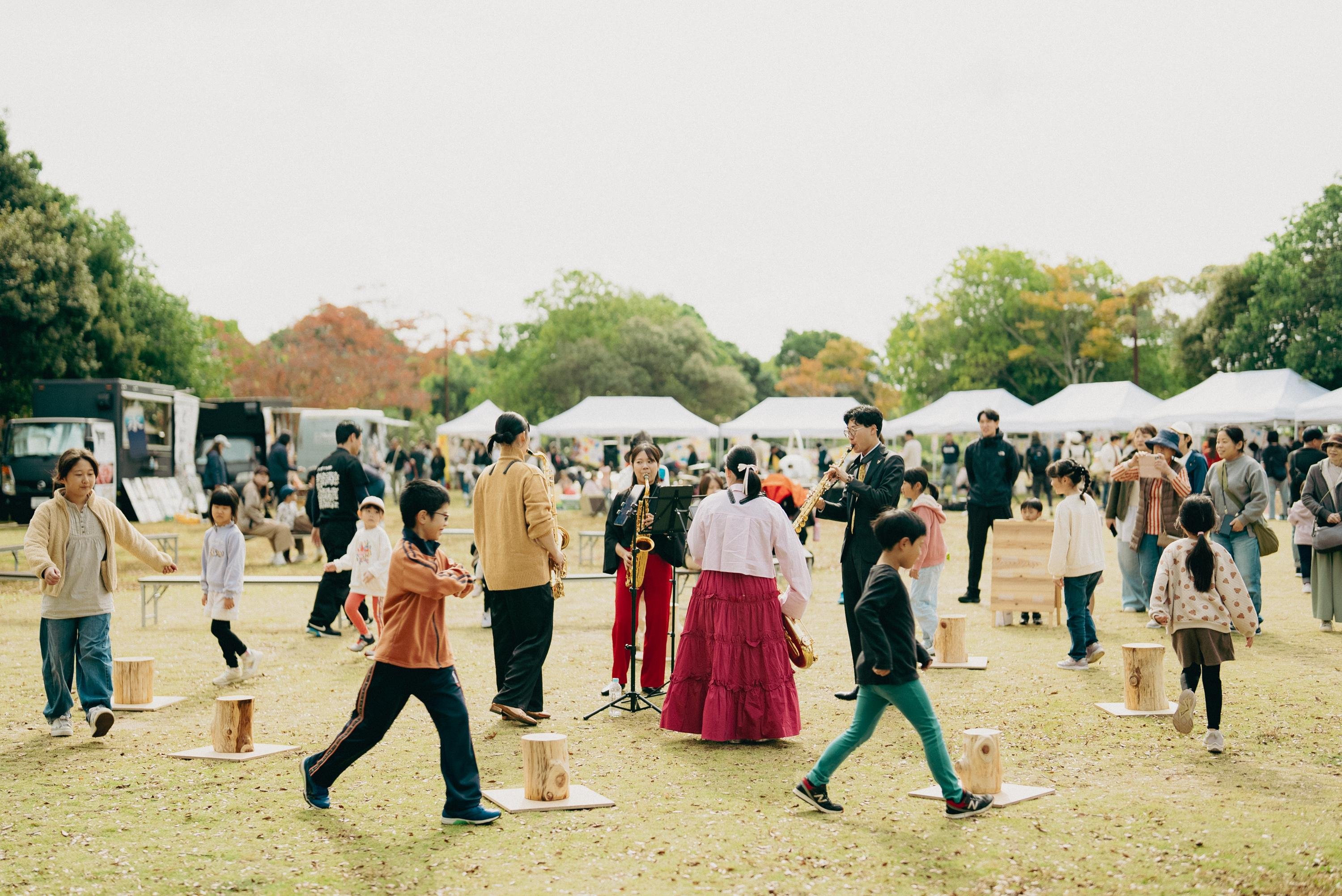
Kobe City's "Village of Happiness" initiative to create sustainable value: Envisioning the future of a 200-hectare comprehensive welfare park.
The "Wanpark! Project," launched in 2024, is a collaborative effort between Kobe City and various private companies to promote urban development and community revitalization centered around the comprehensive welfare zone "Shiawase no Mura".
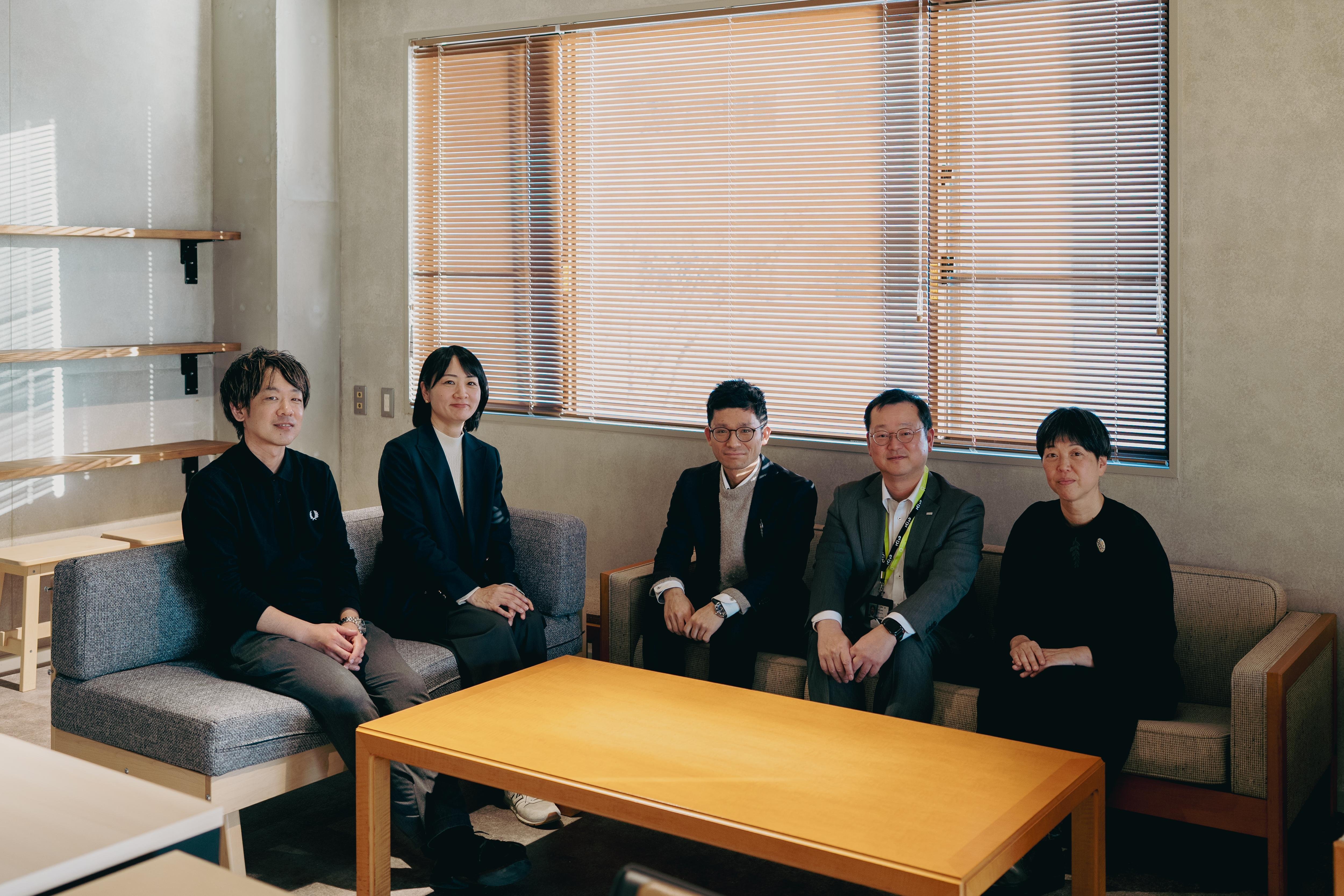
Towards a sustainable future for "Shiawase no Mura" (Village of Happiness), we are considering initiatives and utilization strategies to realize social inclusion through public-private partnerships, and implementing measures to enhance the village's appeal from a long-term perspective. This time, we interviewed five people from companies participating in the project: Hiromi Sugiyama, Director of the Solutions Group, Corporate Strategy Department, Sumitomo Mitsui Banking Corporation; Shun Sakai, General Manager of the Public and Financial Institutions Department, Sumitomo Mitsui Banking Corporation; Tomoya Ishii, Business Promotion Group, Public and Financial Institutions Department, Sumitomo Mitsui Banking Corporation; Reiko Ibe, Chief of the Inclusive Design LAB, Future Creation Research Institute, Nomura Co., Ltd.; and Kosuke Higashitani, Research & Planning, Regional Revitalization Business Development Department, CCC. We spoke with them about the process from the project's inception to the event's organization, as well as the behind-the-scenes aspects of value creation through co-creation by private companies and community development through revitalization.
(Titles and honorifics omitted below)
Thirty years after the earthquake, we are taking on the challenge of urban development that enhances the appeal of Kobe, starting with "Shiawase no Mura" (Village of Happiness).
--First, could you tell us about the circumstances that led to the establishment of the "Wanpark! Project"?
Sakai:
Sumitomo Mitsui Banking Corporation (hereinafter referred to as SMBC) and Kobe City have built a long-standing relationship of trust as a mother market since the Taisho era. In the course of our ongoing consultations regarding local issues, we were approached in 2023 about the revitalization of "Shiawase no Mura" (Village of Happiness). "Shiawase no Mura" (Village of Happiness) had been in operation for 35 years, and it was time to re-examine the facility's structure and future direction. Furthermore, as we approached the 30th anniversary of the earthquake, it was a time when we were exploring proactive initiatives to pass on the appeal of Kobe to future generations, both financially and otherwise. Amidst these efforts, we received enthusiastic requests from various departments, including the Welfare Bureau, the Construction Bureau, and the Urban Development Bureau, to "re-establish 'Shiawase no Mura' as a place to realize social inclusion." Our bank wanted to help in any way we could, and so we accepted the offer.
Sugiyama:
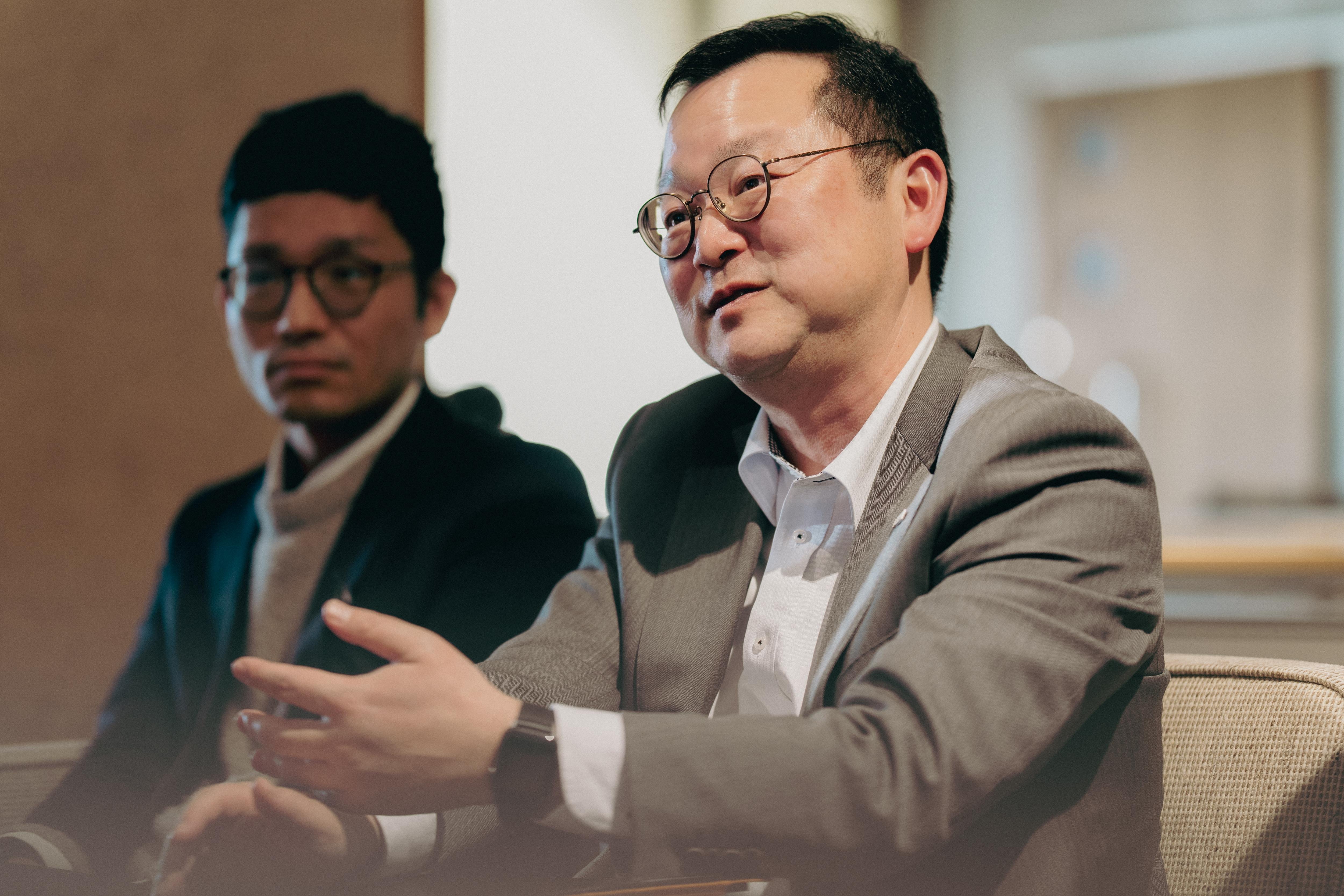
SMBC had set forth a policy emphasizing the creation of social value in its 2023 medium-term management plan, and had also launched a "community development project" aimed at solving social issues starting with real estate, accelerating its efforts to focus on social contribution within the company. On the other hand, in urban development and revitalizing local communities, there are many challenges that cannot be solved solely through connections in the finance and real estate industries, making co-creation with companies from a wide range of industries essential. Therefore, we began reaching out to companies with whom we had long-standing relationships, including Nomura Co., Ltd.
Ibe:
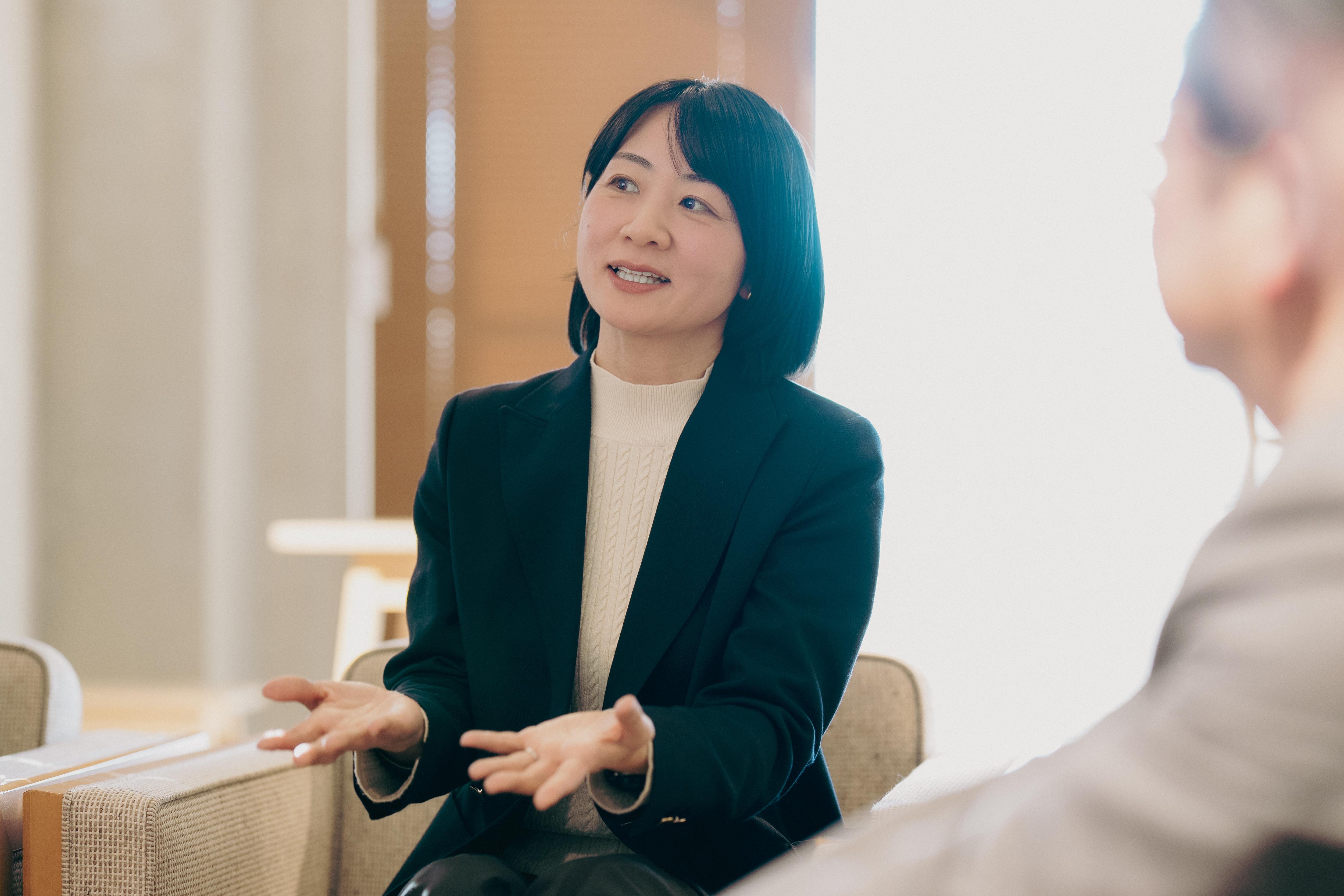
In 2022, Nomura Co., Ltd. established the Institute for Future Creation, and through its core business of creating spaces, has been promoting initiatives aimed at solving social issues such as designing local communities and promoting inclusion. It was at that time that SMBC introduced me to this project and invited me to "please come and see the site for yourself."Witnessing firsthand how the local residents were spending their time as they pleased, and seeing how "Shiawase no Mura" (Village of Happiness), which has been loved by the community for many years, became the core of this project, I wanted to contribute to the creation of a new community from a broader perspective of urban development, and that's why I decided to participate in this project.
Sugiyama:
Because this is a long-term initiative, we believe that by allowing people to actually experience the charm of the facility and the atmosphere created by the users, they will be able to empathize with our efforts to create the appeal of "Shiawase no Mura" and to develop the community. Since then, we have leveraged the connections among participating companies to expand the circle of support, and now a diverse range of companies are participating in the project.
From concept design to event organization and realizing social inclusion through co-creation.
--With the number of participating companies increasing, how did you manage to move the project forward?
Sugiyama:
Around spring 2024, regular meetings began with core members including Nomura Co., Ltd., CCC, H2O Retailing Co., Ltd., Jaketsu Co., Ltd., and World Intec Co., Ltd. As we discussed from scratch what kind of place we wanted "Shiawase no Mura" (Village of Happiness) to be, a surprisingly diverse range of ideas and expressions emerged from discussions that transcended company boundaries. In particular, the project that started with a proposal from Nomura Co., Ltd. was to "transform the Village of Happiness into the most mischievous ONE PARK in the world."This concept design became a major catalyst for moving the project forward.
Ibe:
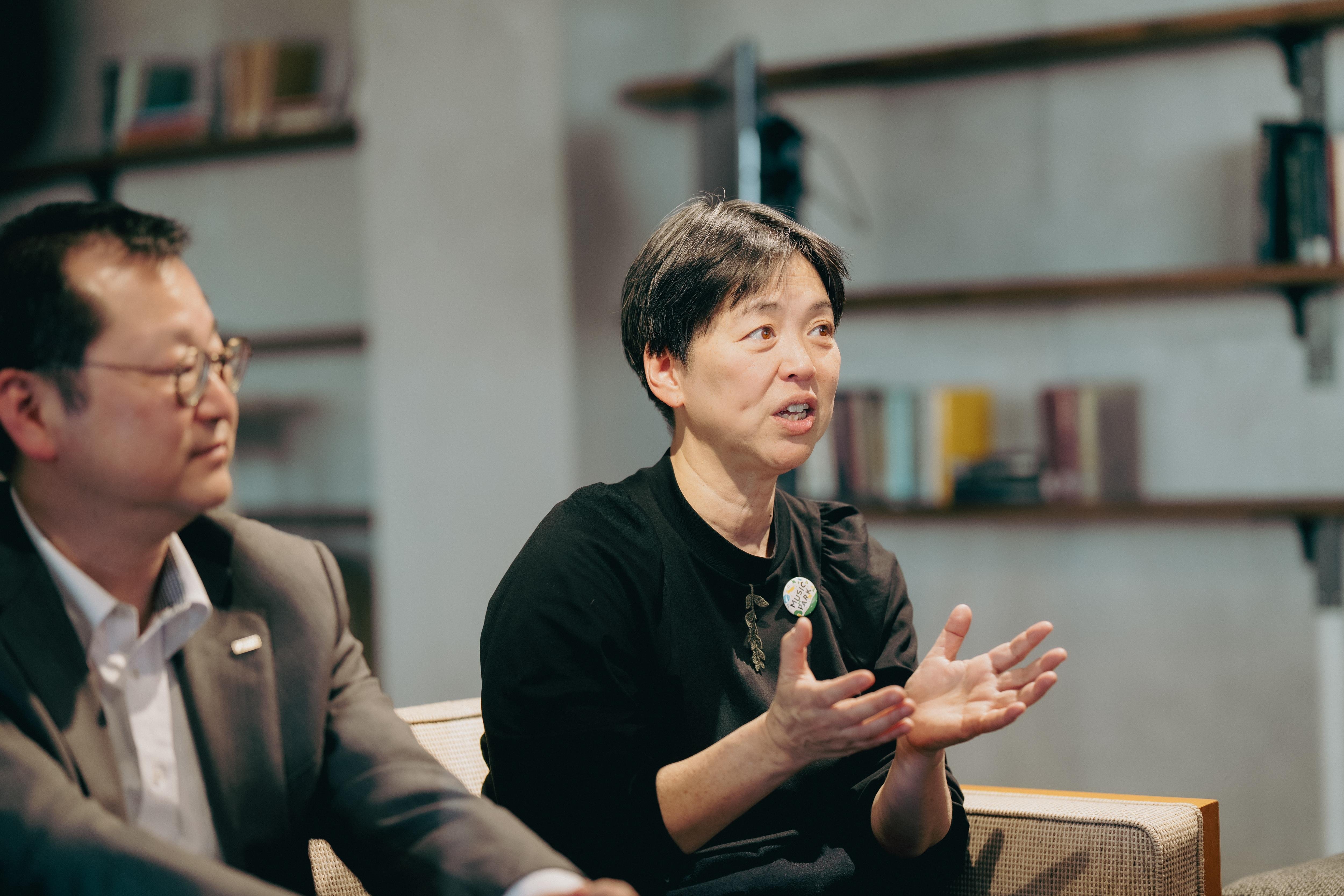
We thought it would be difficult to change "Shiawase no Mura" (Village of Happiness), which has a vast 200-hectare site, all at once. Therefore, we proceeded to organize our concepts by dividing our goals into short-term and long-term categories. Furthermore, with an awareness of "who the park is for," we discussed how to maximize the potential value of "Shiawase no Mura" (Village of Happiness) with social inclusion as the theme, in order to make it an even more attractive park for the local residents who have been using it for a long time.
Sugiyama:
By identifying a direction that everyone could easily visualize from the concept design stage, the overall guidelines for the project became clear. Based on that, "Children, adults, and the elderly."Everyone can be mischievous here. Wanpark is a place where everyone can come together. With the slogan "[Slogan]", we received a wide variety of proposals from each company. As a result, we were able to hold the "Future Culture Festival" in October 2024 and the "Music Park" event in November 2025.
The innovative ideas of private companies will create new attractions for "Shiawase no Mura" (Village of Happiness).
--What roles did each company play in organizing the event?
Ibe:
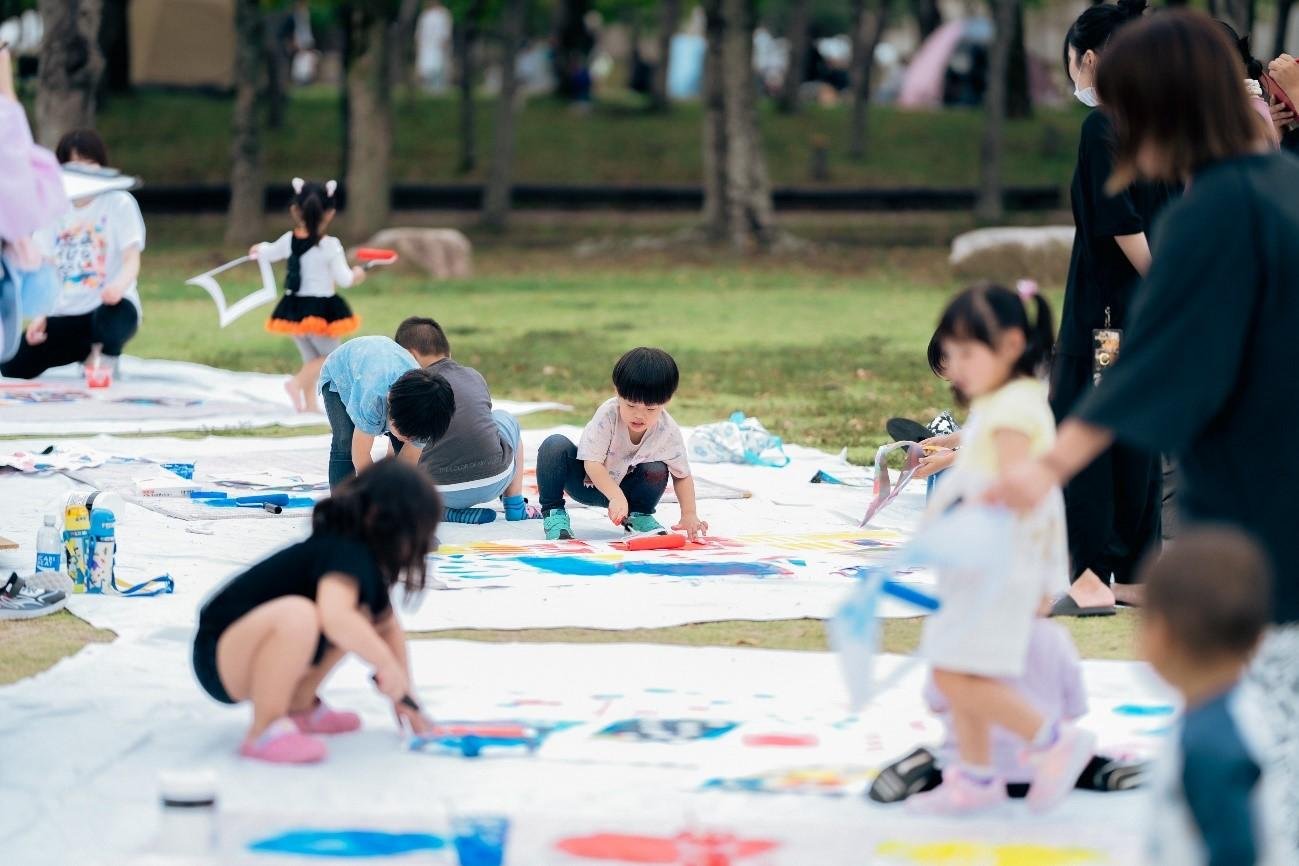
At the "Future Culture Festival," Nomura Co., Ltd. held a workshop where participants could create flags using stencil techniques together with artists, as an event where everyone, regardless of disability, could participate in their own way. This initiative, which leveraged our company's spatial design capabilities, allowed us to put the knowledge of the Future Creation Research Institute into practice in a new field, and we, as the management team, learned a great deal from it. On the day of the event, the materials we had prepared in advance ran out very quickly, indicating that it was even more popular than we had anticipated.
Higashitani:
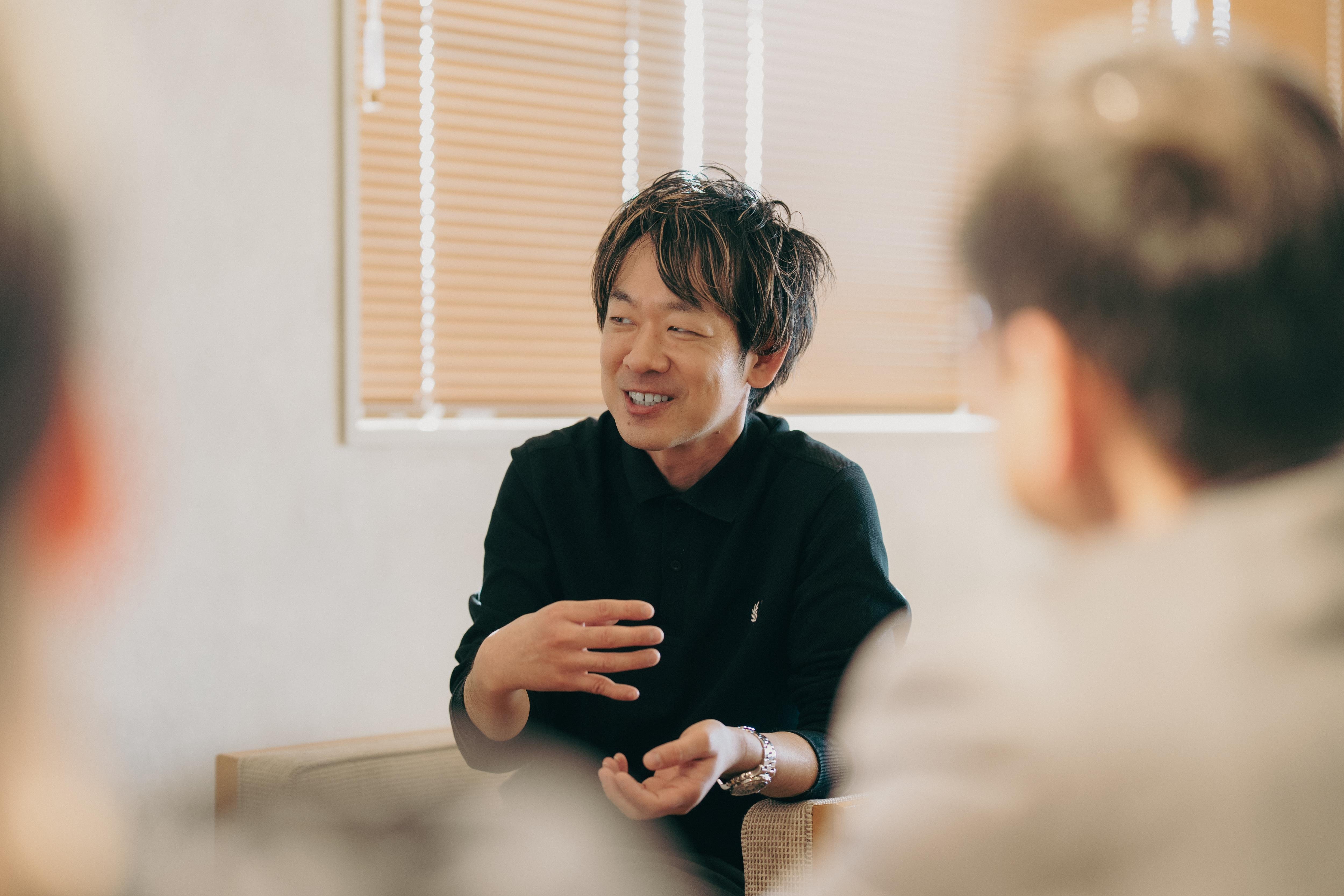
CCC was responsible for the overall production and planned how to translate the concept into a user experience. The process of combining each company's strengths while gaining a deeper understanding of their resources and assembling them into a single event largely overlaps with the approach CCC has taken in previous projects such as "BOOK & CAFE" and "SHARE LOUNGE," which involves editing together different ideas and functions to create a single, valuable space.
Sugiyama:
At the start of the project, there was no clear division of roles among the companies. However, through repeated regular meetings based on the concept, each company actively made proposals in their areas of expertise, allowing us to prepare compelling content with the right people in the right places. In this context, CCC played a crucial role in the overall planning, organizing and integrating the ideas and strengths of each company to create a cohesive event. Nowadays, everyone calls Higashitani "the leader" (laughs).
--What was the reaction of the local residents who actually attended the event?
Sugiyama:
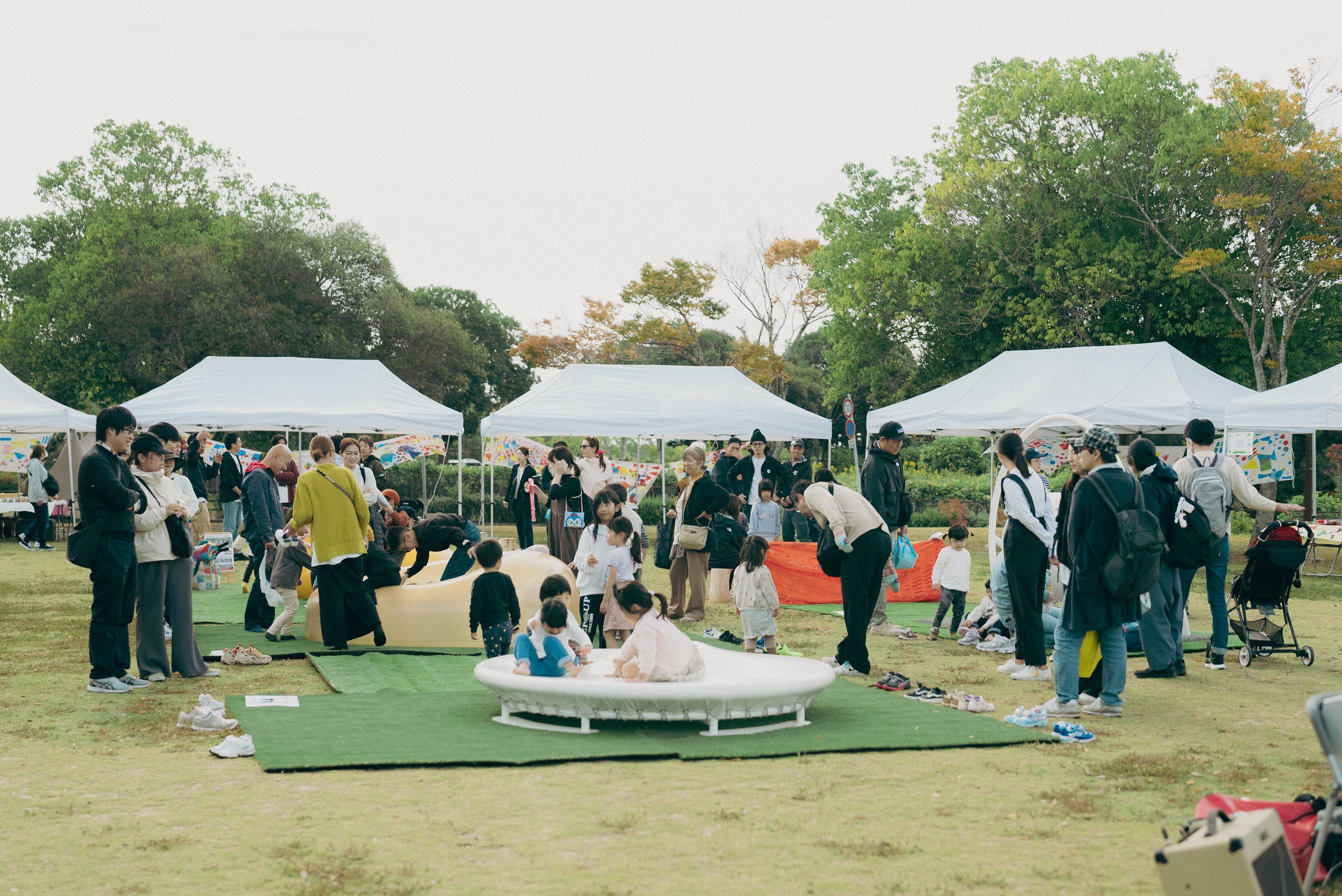
We were able to literally create a "happy space."In particular, the inclusive play equipment that Jaketsu brought in from Tsuruga was so popular that there was a line from early in the morning, and the sight of children with disabilities playing together with everyone else was very impressive. Seeing the local residents all mixed together and enjoying the event, we received comments from people in Kobe City saying, "This is exactly the kind of scene we were hoping to see."
Higashitani:
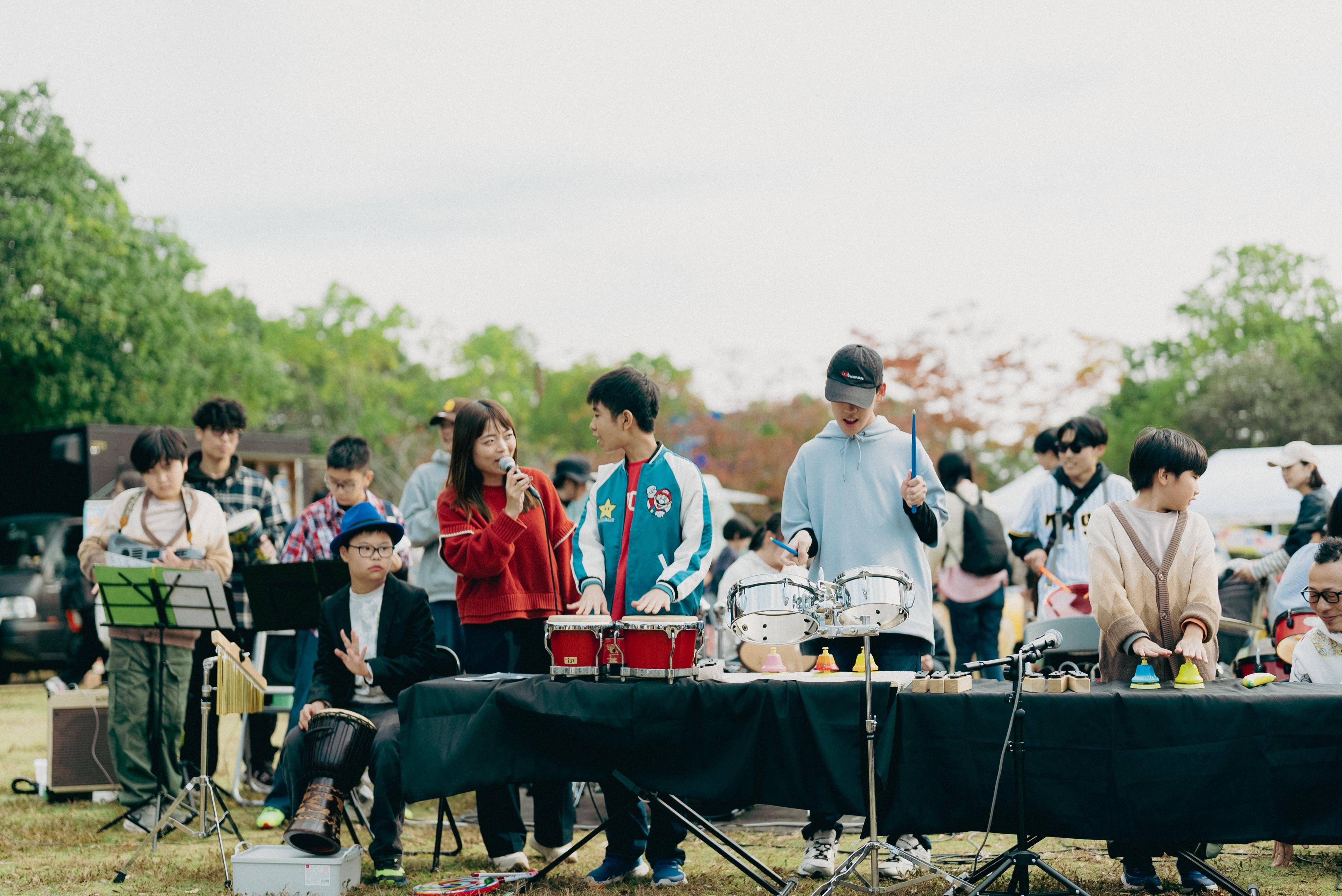
As "Shiawase no Mura" (Village of Happiness), we also re-examined our past activities and explored new ways of engaging with the community. In collaboration with Kobe City, and as part of the efforts of the Hikikomori Support Office, we challenged ourselves to create a space where people from diverse backgrounds could be involved, such as having those directly affected take on some of the tasks of setting up and running the venue.
Furthermore, based on the philosophy that "Shiawase no Mura" has cherished, it provides an opportunity for people from diverse backgrounds to express themselves.
By incorporating content such as performances and band music, we created an experience where diverse people could share the same space, transcending the boundaries between those who perform and those who enjoy.
I believe that these initiatives have provided an opportunity for people to learn about the concept of social inclusion that "Shiawase no Mura" has been striving for, and to get a glimpse of its practical application.
Ibe:
Rather than simply focusing on the number of visitors, the fact that we were able to create a space where people from diverse backgrounds could mingle and enjoy themselves is of great value in terms of community building. Some families we met in person said things like, "Events like this only happen once or twice a year," so we feel that continuing to implement initiatives like this will help increase the value of "Shiawase no Mura" (Village of Happiness).
What is the value of co-creation? Amplifying problem-solving capabilities, expanding social impact, and expanding networks.
--What roles did each company play in organizing the event?
Ibe:
I believe the greatest value of co-creation lies in the combination and amplification of the expertise of each company. While there is growing public interest in solving social issues and building communities, I think many companies felt that they didn't know what to do or how to proceed. However, in this project, instead of having one company shoulder these problems alone, we were able to move the project forward with a sense of urgency by bringing together ideas from various companies.
Ishii:
One initiative that symbolizes our collaboration with various companies is the issuance of press releases. This wasn't just an announcement about an event; by bringing together so many companies and visibly communicating their passion and commitment to the project in Kobe City, it contributed to creating a positive social impact. In fact, after the release, we received inquiries from companies in Tokyo, and they even sponsored an event the following year, so we received a great response both internally and externally.
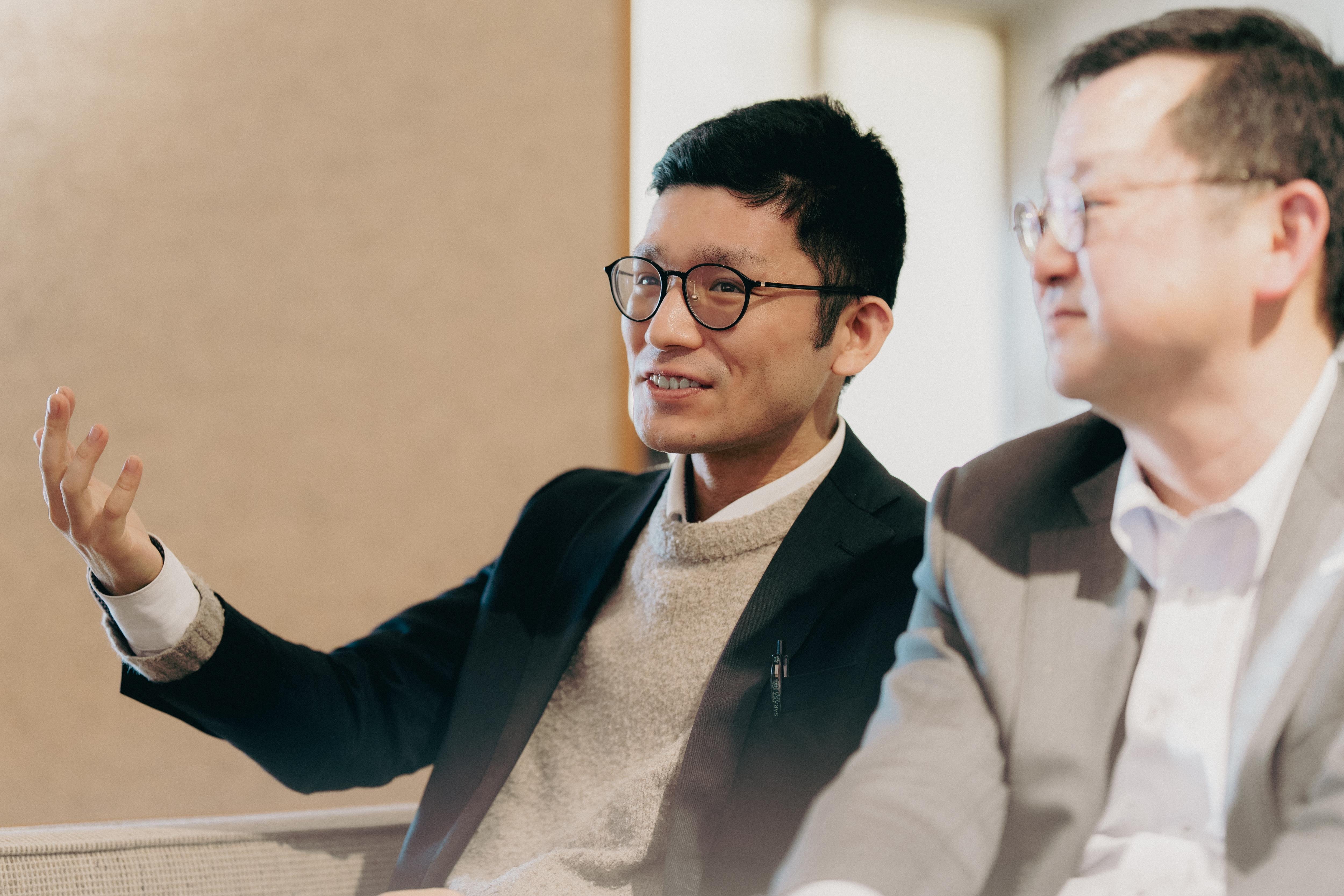
Higashitani:
A major value of this project was the opportunity to work with companies that I wouldn't have had the chance to meet in my previous jobs. I believe that the deep networking we've been able to build with each other's companies, encompassing not only resources but also values and personalities, will be a great asset for our future business endeavors.
Towards sustainable community development involving local stakeholders
--Could you tell us about the future developments of the "Wanpark! Project"?
Sugiyama:
Through our past events and public relations activities, we have seen an increase in opportunities for various businesses to visit our locations in person. Going forward, we hope to cherish these connections, attract the interest of more companies and stakeholders, and expand the scope of our initiatives with their support. Within that context, we would like to continue to use the concept of the "Wanpark! Project" as a core framework to gradually and sustainably promote the branding, area management, and network building of "Shiawase no Mura" (Village of Happiness).
Ishii:
On the other hand, increasing awareness among local vendors is also a major theme. At the event in March 2026, local businesses from Kobe's Kita Ward are scheduled to participate as players for the first time. Expanding the network between companies and the community in this way is of great value from the perspective of attracting businesses, and we hope that in the future, we can leverage the flexible thinking of private businesses to expand our collaborations with local players such as individual shops and universities.
Higashitani:
Based on the knowledge we have cultivated through creating lifestyle proposal platforms, CCC aims to deepen the "Village of Happiness" initiative together with stakeholders, and to create an environment where diverse people, regardless of age, disability, or position, can share the same space and participate in their own ways.
Within this framework, we aim to expand opportunities for more companies and local residents to become involved, and contribute to enhancing the value of "Shiawase no Mura" (Village of Happiness) through community revitalization.
If you resonate with the content of this site, please feel free to share it.


