
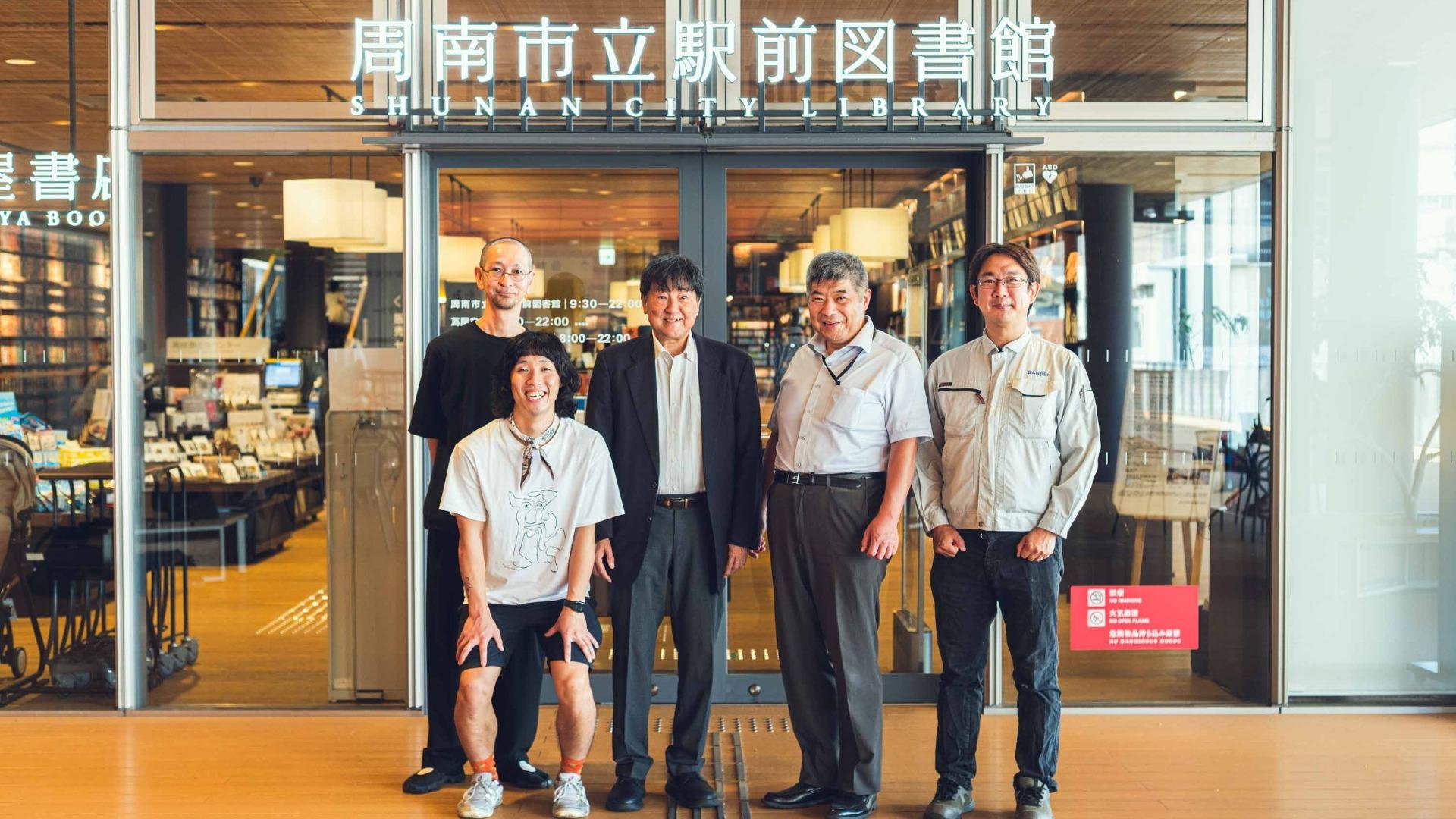
From managing public facilities to enabling self-sufficiency in the city. "Co-creation-type town management" that revitalized a shuttered shopping street.
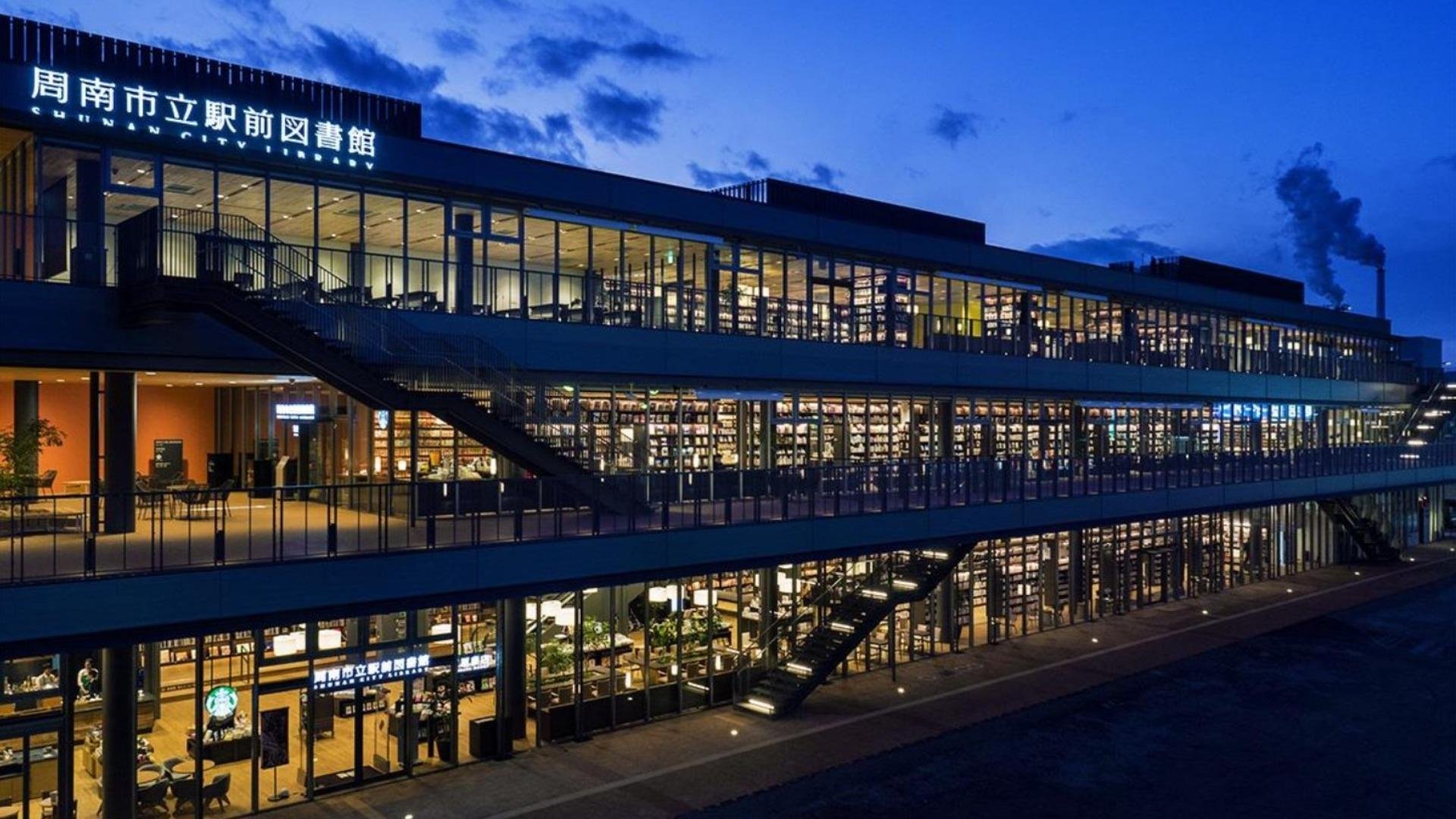
"It's meaningless if only the facilities are bustling with activity." I hope that this vibrancy will spread throughout the town. When CCC was entrusted by Shunan City as the designated manager of the 'Tokuyama Station Front Revitalization and Exchange Fac
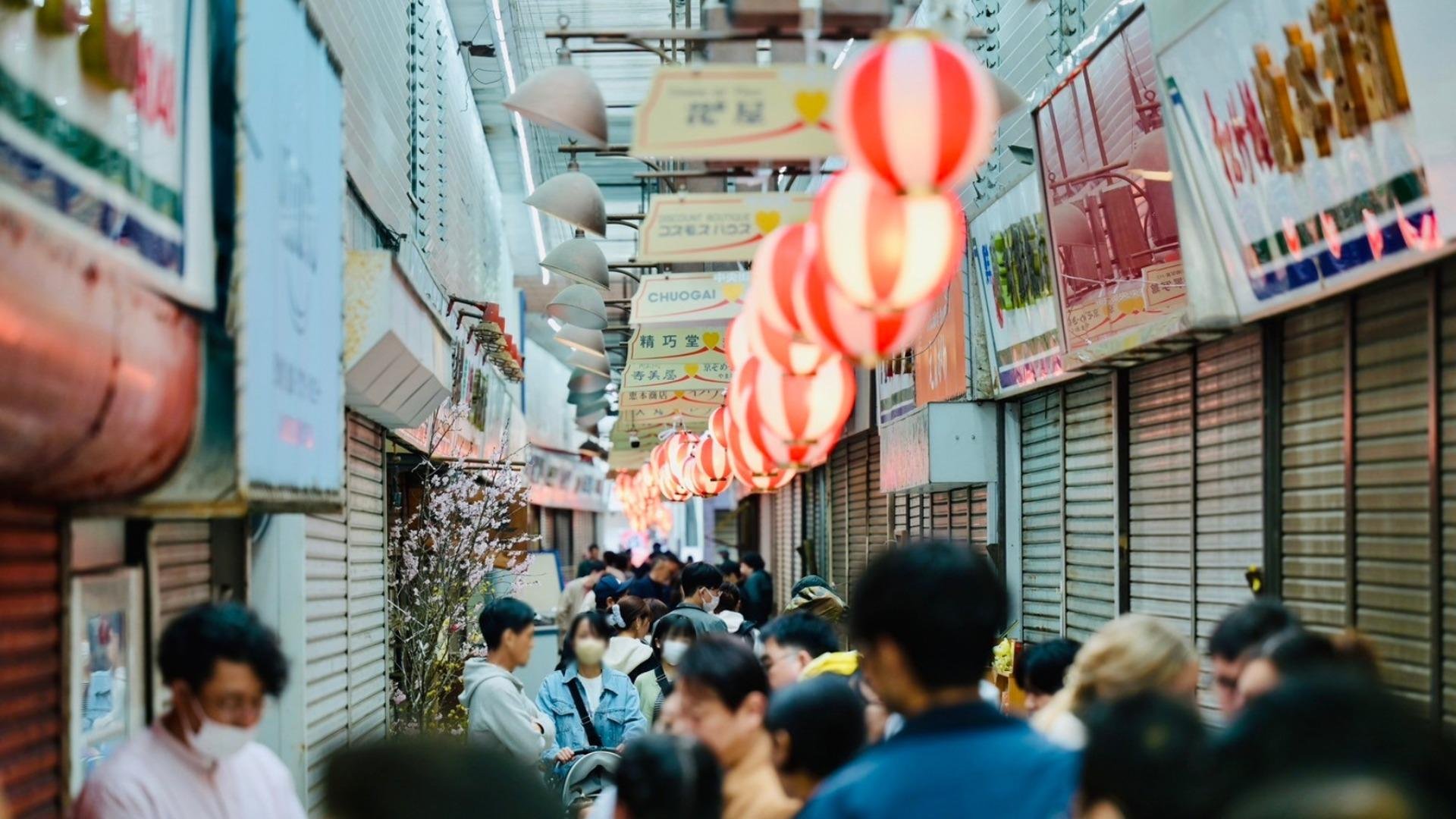
It's been about 10 years since we opened. The hustle and bustle that emerged in front of the station spread to the "Chuo-gai" shopping street, where many shops were once closed, and five new stores opened in just a year and a half. Furthermore, there is now a growing movement for local players themselves to create projects and activities.
Starting with public facilities, how have they enhanced the value of the town and achieved sustainable town management?
Takashi Ueno, a Shunan City employee who worked on building the city's infrastructure from an administrative standpoint (currently Director of Regional Development Department). Kazuo Ariyoshi, Town Management Officer of the Shunan City Central Business District Revitalization Council, is in charge of steering the area through public-private partnerships. Shunsuke Ishida, representative partner of Mitsuboshi Limited Partnership, is working to revitalize the central shopping district by revitalizing vacant stores. Tomoya Hamamatsu, owner of "Suzume Stand," lit a new spark of activity with the opening of his first store. We then spoke with five individuals, including Kenji Yamanaka of the Social Design Division at Culture Convenience Club Co., Ltd., who is creating foot traffic using private sector expertise based at the Tokuyama Station Front Library, about the behind-the-scenes aspects and the new possibilities for regional revitalization envisioned by both government and private sectors. (Updated: August 27, 2026)
Turning the vibrancy of public facilities into the value of the city
—What role did Shunan City expect CCC to play in the development of the "Tokuyama Station Front Revitalization and Exchange Facility"?
Takashi Ueno (Shunan City employee *currently Director of Regional Development Department):
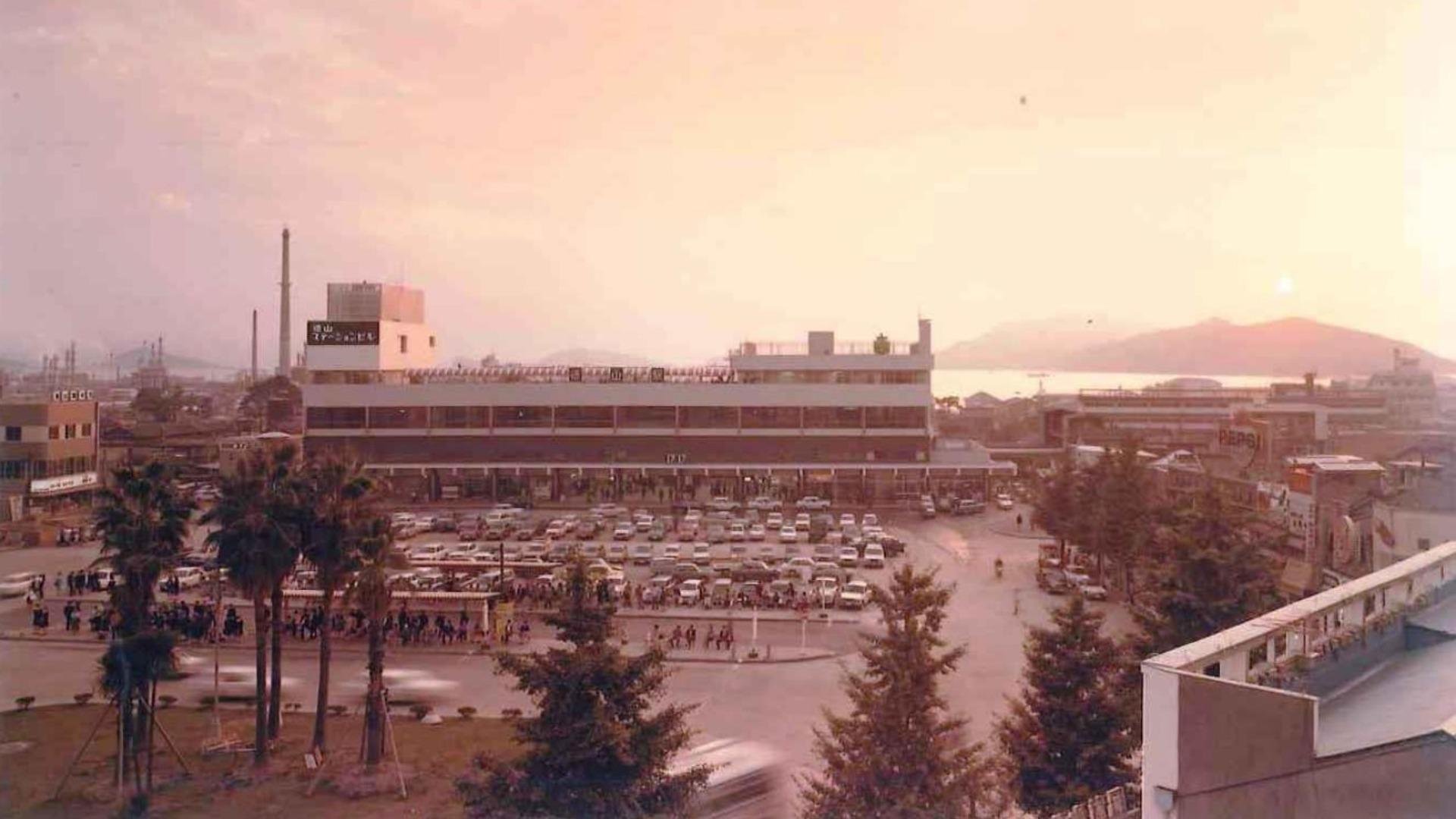
The redevelopment of the area in front of Tokuyama Station was a major project that had been the subject of discussion for nearly 20 years, ever since it was outlined in the "(Former) Tokuyama City Central Business District Revitalization Basic Plan" formulated in November 1999. As the vitality of the city center declined, our goal was not to build new facilities, but to restore the value of the entire city.
Therefore, when we asked CCC to manage the "Tokuyama Station Front Revitalization and Exchange Facility," we conveyed to them that "we don't just want the facility to be successful on its own, but we want the vibrancy created here to spread to the surrounding area." Even if a facility is bustling with activity, it won't lead to true urban development. We hoped that the area in front of the station would serve as a starting point for spreading the flow of people and new challenges throughout the city.
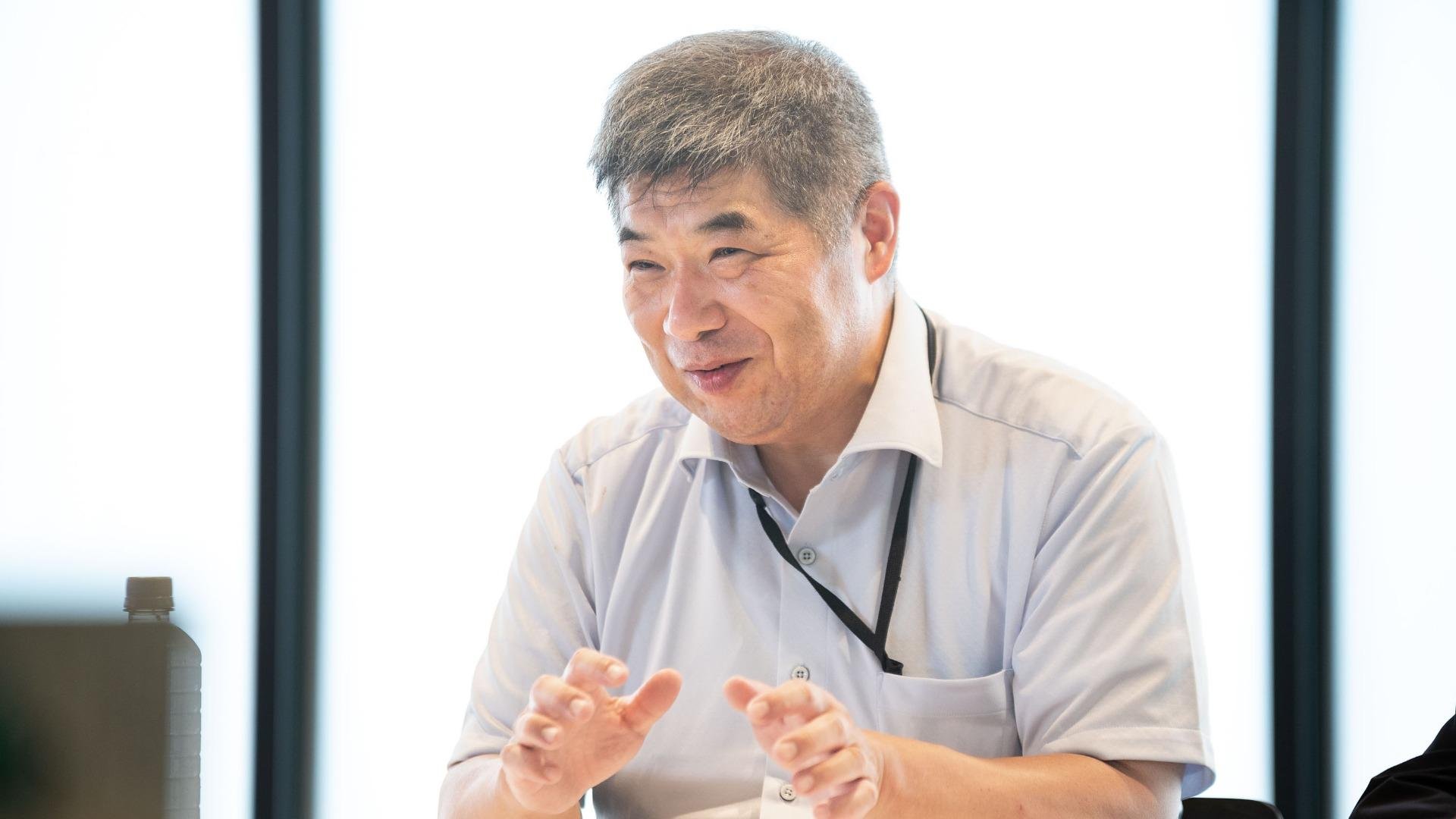
Kazuo Ariyoshi (Shunan City Central Business District Revitalization Council, Town Management):
In Shunan City, there is a deeply rooted culture of collaborative urban development involving not only the government but also the private sector. The Shunan City Central Business District Revitalization Council's "Town Management Meeting" has been ongoing for 16 years, and the "Town-Station Cooperation Meeting" has also been held since before the opening of the "Tokuyama Station Front Revitalization and Exchange Facility."
What's distinctive about these meetings is that they provide a continuous opportunity for people from different backgrounds—government officials, chambers of commerce, businesses, citizens, and others—to meet face-to-face. Because we regularly share information and engage in dialogue, we've developed a relationship that makes it easy to cooperate when new initiatives arise.
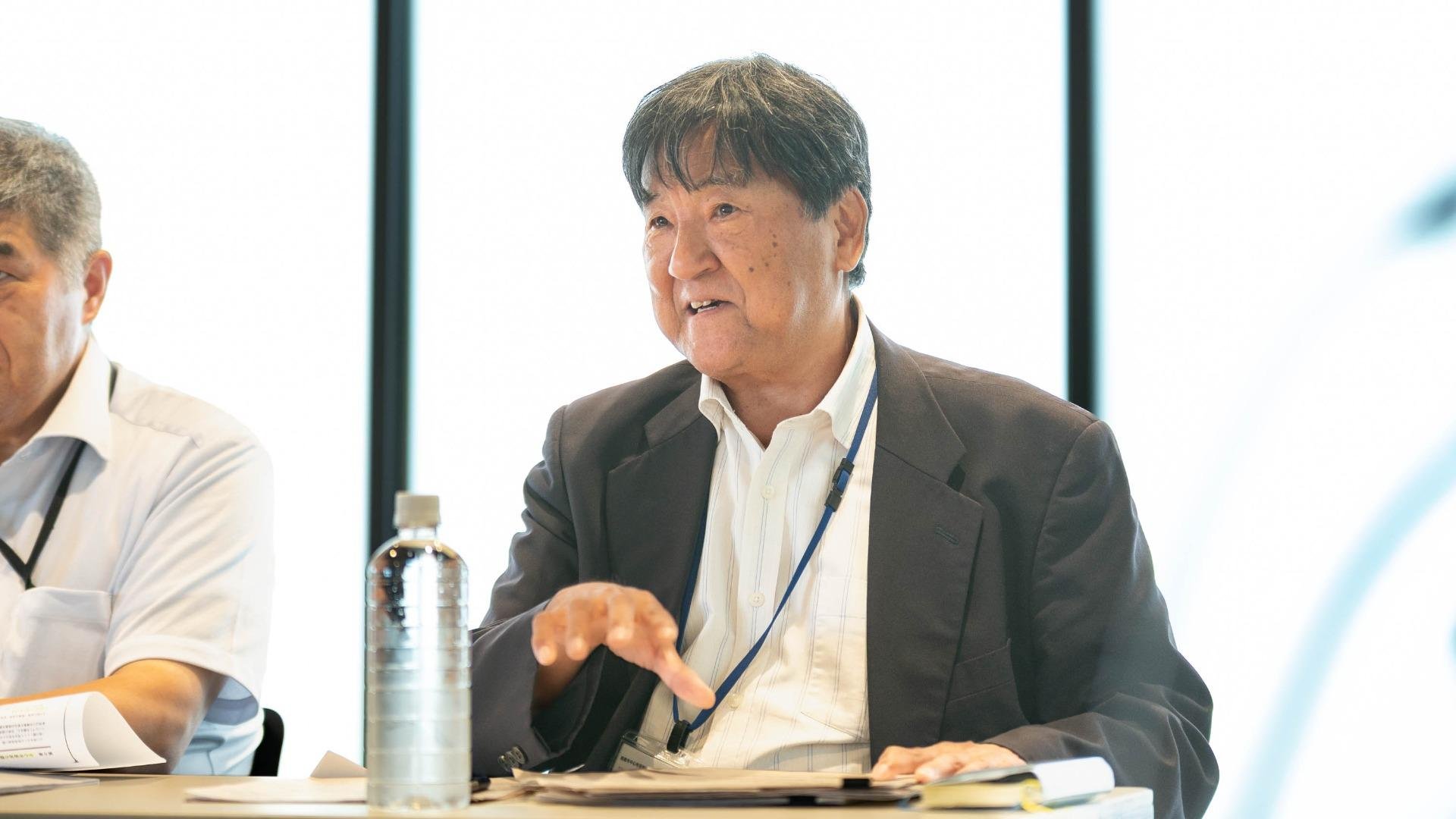
A platform that connects people
—How has CCC approached creating a vibrant community and public-private partnerships in Shunan City?
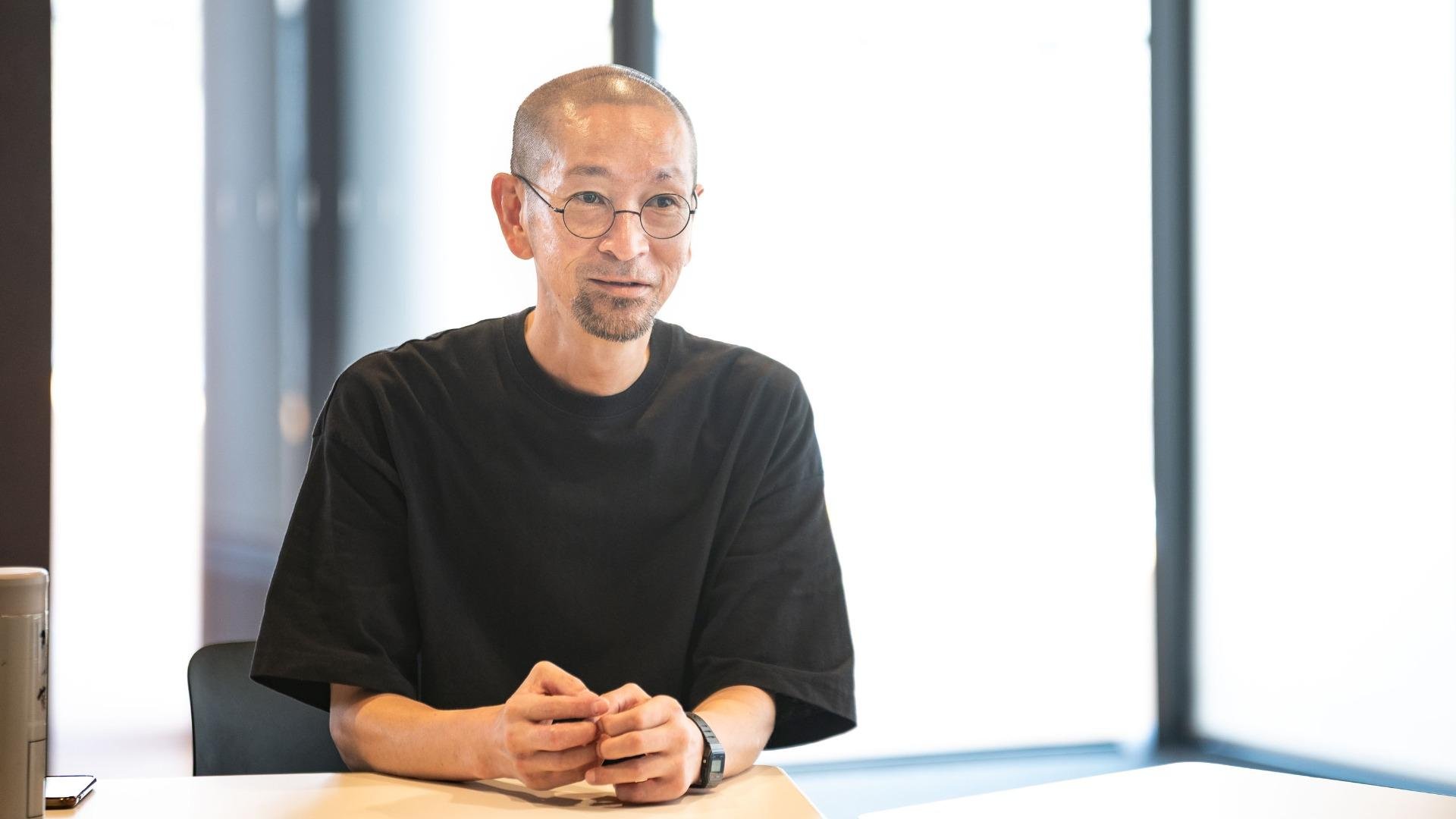
Kenji Yamanaka (CCC Social Design Division):
We don't consider facility management itself to be the ultimate goal. Under the vision of the CCC Social Design Division, "Let's create a future we can all choose," we aim to become a platform where diverse people can meet and new activities can be born.
To achieve this, our goal was to make the "Tokuyama Station Front Revitalization and Exchange Facility" a hub where local people and those who want to take on new challenges can meet. In every community, there are always people who want to improve their town. We have always prioritized finding and connecting such people and creating an environment that makes it easier for them to take that first step. This includes not only constructing new facilities, but also realizing community-based projects through a wide range of options, such as renovating existing buildings.
We envision a future where the flow of people and energy generated at this facility spreads throughout the town, and where members of the collaborative committee and town's entrepreneurs can thrive by leveraging the experience and connections cultivated here. We want to create this future together with local residents through ongoing dialogue.
—Since the opening of the "Tokuyama Station Front Revitalization and Exchange Facility," the number of visitors has reached an average of approximately 7,000 per day, and pedestrian traffic in the city center and the number of new businesses have also increased significantly. The "ripple effect of vibrancy" that Shunan City initially hoped for is beginning to show up in the numbers, but from the perspective of someone who has been in charge of town management for many years, what kind of changes has the facility brought to the town?
Mr. Ariyoshi:
I think there have been some very significant changes. The creation of places where people gather has brought new excitement and culture to the city. "Shunan Flea Market" events like the one mentioned above, which weren't seen before, are increasing, and I feel that the atmosphere around the station itself has changed.
Furthermore, there has been a noticeable increase in visitors from families with young children and those pushing strollers. I feel that when public facilities become lively, it leads to changes in people's behavior, which in turn fosters a sense of attachment to the entire city and creates opportunities for people to connect with it.
What was even more impressive was the increase in people who consider their town as their own personal responsibility. The facility has inspired new challengers, who have become actively involved in community activities. I believe that passion later led to new challenges in the central district.
The fertile ground for "co-creation" where players are born.
—Could you tell us about the background behind starting the initiative to support new businesses opening in the central shopping district?
Shunsuke Ishida (Representative Partner, Mitsuboshi Limited Partnership):
I moved to Shunan City in 2016 to work in the real estate rental business, and I participated in the "Town Management Conference" with the desire to increase the number of people who want to live in the city center. At that time, more than half of the shops in the central shopping district had their shutters down, but every time I heard stories from the locals about how lively it used to be, I began to strongly wish that I could see the shops with their shutters open.
That's when we started "Tokuyama Yume Yokocho," a project that involves temporarily opening up vacant shops to hold events. Through this initiative, we began by engaging in dialogue with local residents and landowners, allowing them to experience the potential of this place together.
Initially, there were some critical opinions, but by visiting each household to introduce ourselves and meeting each other at events, we gradually built trust. As a result, we received inquiries such as, "If you're that enthusiastic about it, why don't you take over this store?", which led to our search for the first tenant.
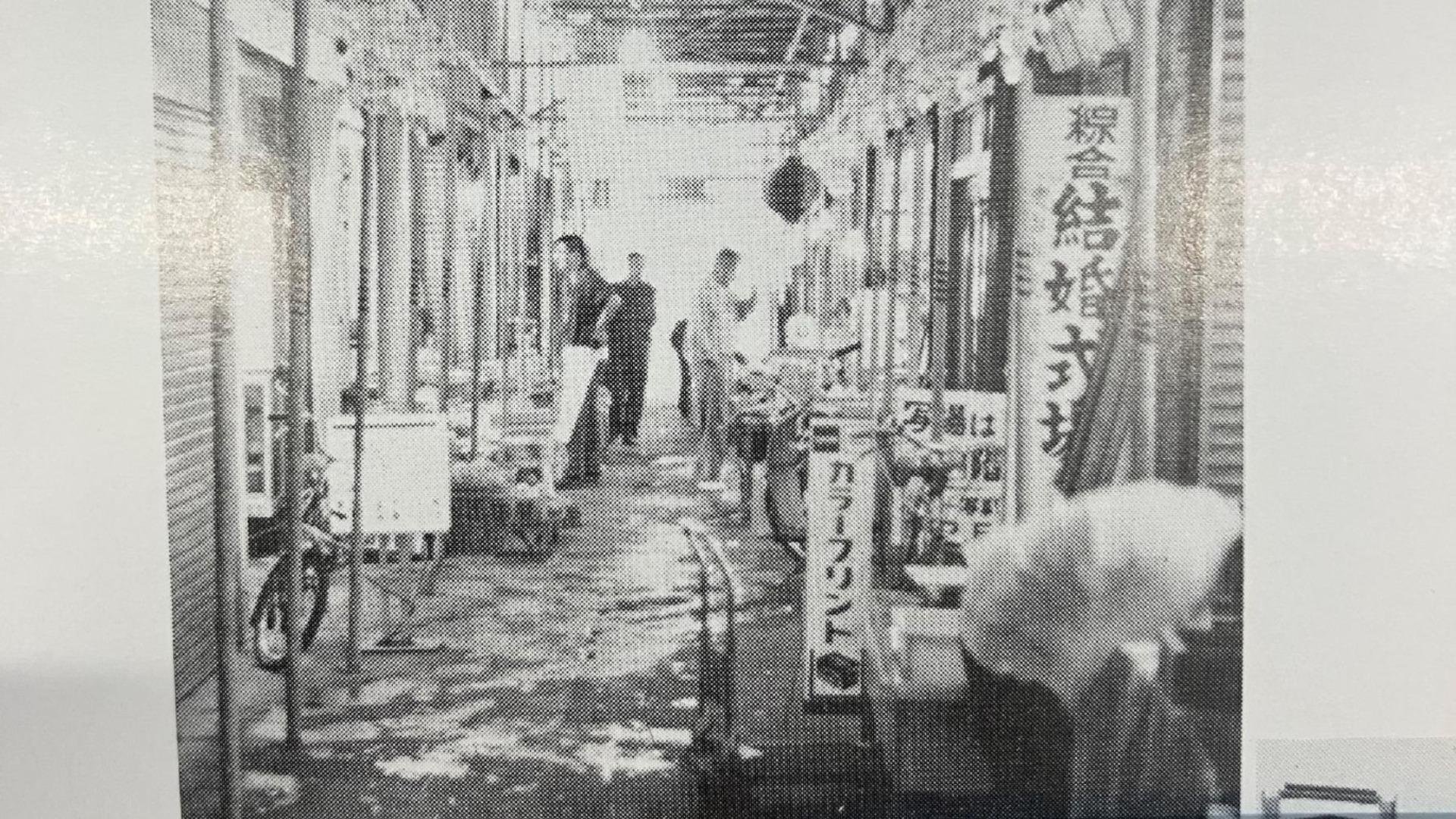
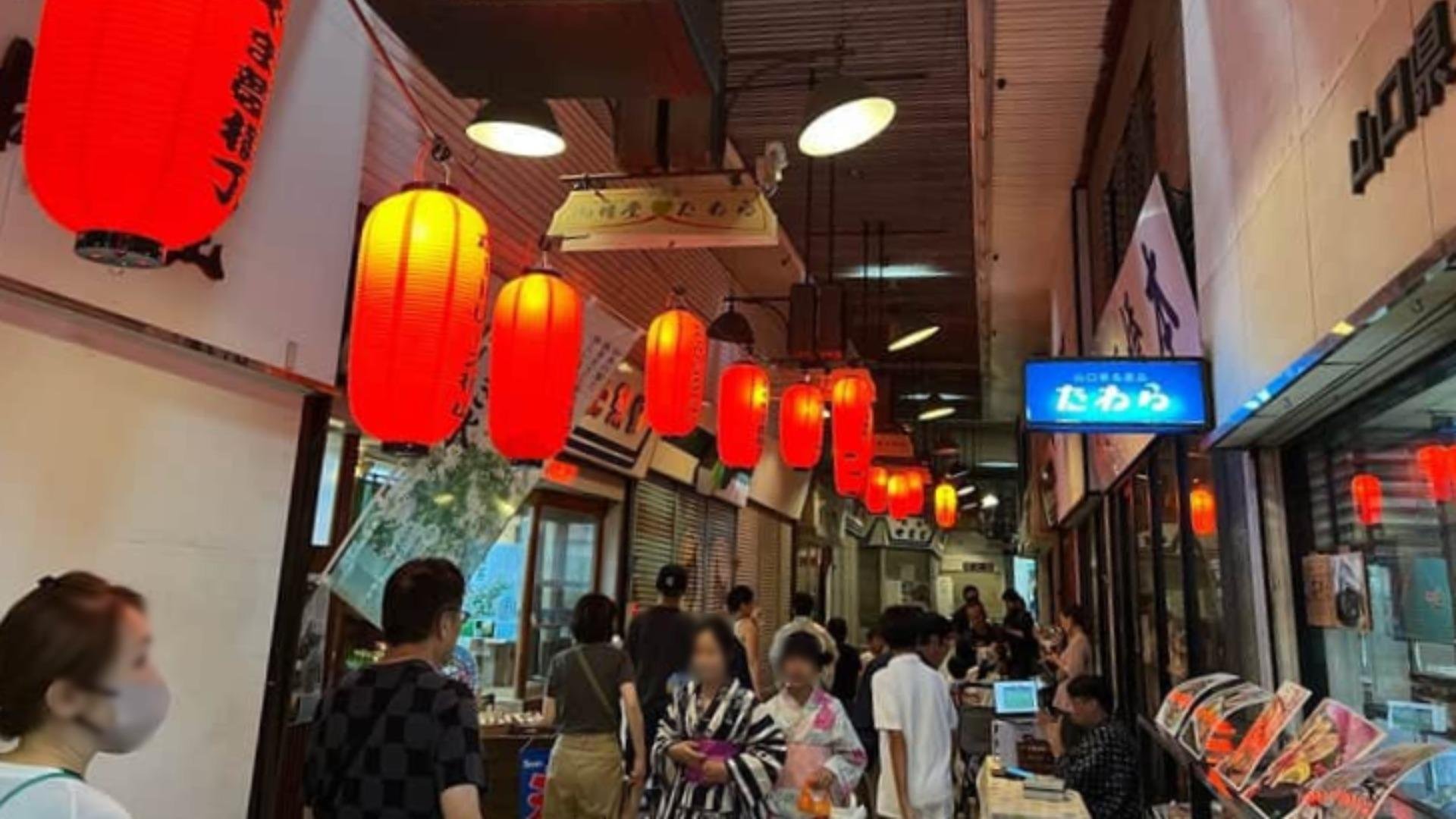
Yamanaka:
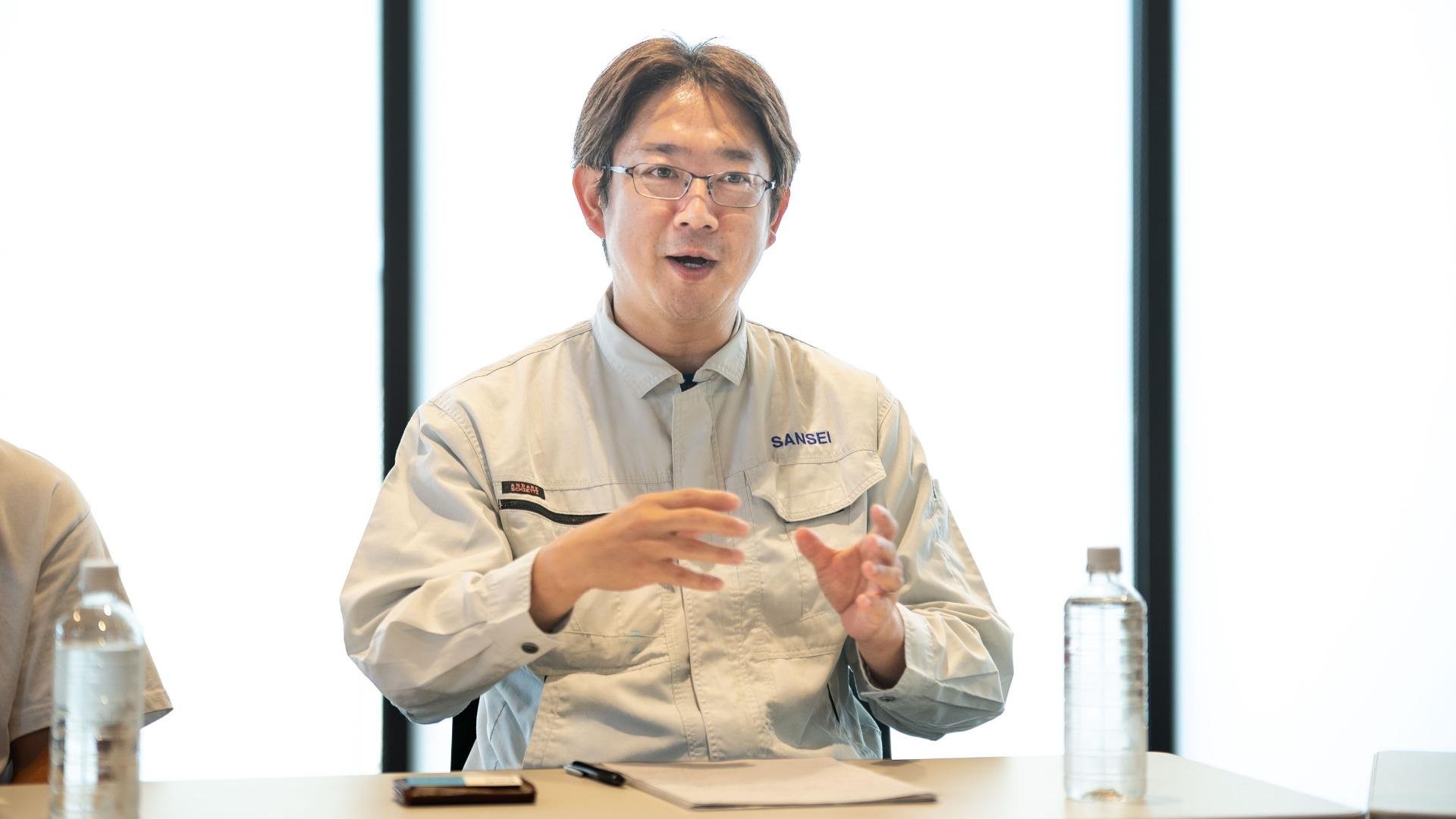
When Mr. Ishida approached me saying he was looking for someone who wanted to take on a new challenge in the central shopping district, the first person I introduced him to was Mr. Hamamatsu. His standing bar, "Suzume Stand," became an iconic example of new businesses opening in the central shopping district. I believe that this success had a ripple effect on those around us, leading to the opening of subsequent stores.
CCC can have daily contact with local residents and businesses through the operation of public facilities. We believe our strength lies in leveraging this network to connect the information and aspirations of various parties—those who want to take on challenges in the community, owners of vacant properties, government agencies, chambers of commerce, and others—and linking them together to provide valuable human resources and local resources.
Five stores opened in a year and a half. A quiet crustal movement occurred in the city.
—From a business owner's perspective, what were the attractions of the central shopping street?
Tomoya Hamamatsu (Owner of Suzume Stand):
Its proximity to the station and the constant flow of people were certainly attractive features. However, the most important factor in deciding to actually open a store was the presence of an environment and people I could consult with if something came up. I have close ties with people in the government, including Mr. Ishida and Mr. Yamanaka. I felt reassured knowing I could easily consult with them about everything from subsidy programs and how to engage with the local community to how to run events.
Furthermore, while our generation doesn't remember the bustling shopping streets of the past, we find great value in the retro atmosphere of the central area and the close physical proximity between people.
Feeling a little tired of social interactions on social media, this allows for natural conversations and real-life connections to develop. I think the ample space and high degree of freedom to change the city's landscape through their own ideas is what attracts the younger generation who want to take on challenges here.
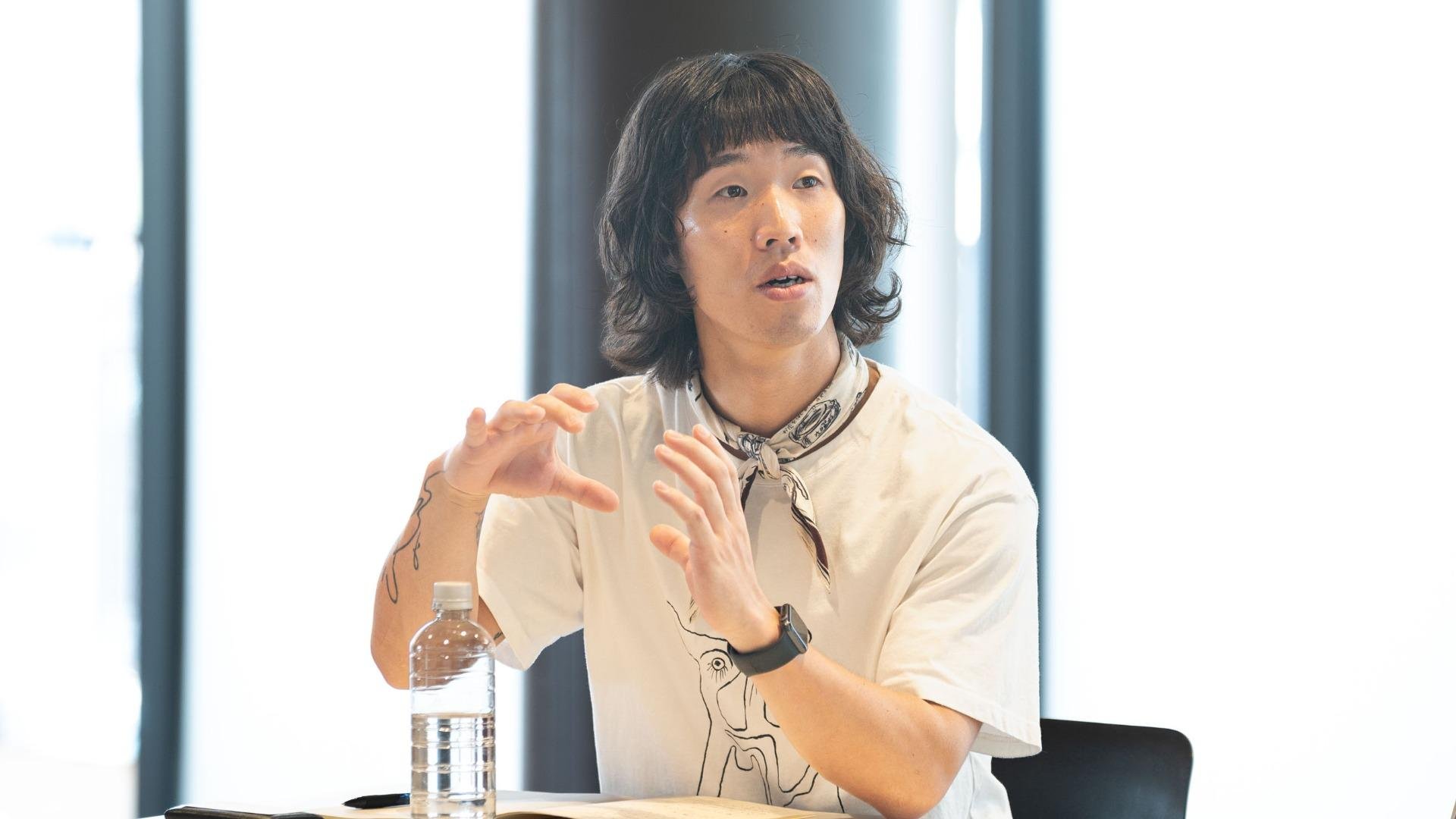
—After that, five stores opened in the central area within a year and a half. How do you view this ripple effect?
Mr. Ariyoshi:
I think the success of our first attempt was a major factor. When other landowners saw young people gathering and enjoying the lively atmosphere at Hamamatsu's shop, they began to take action, saying, "We want our shop to be a place where young people can fulfill their dreams as well." Since the "Tokuyama Station Front Revitalization and Exchange Facility" was built, there has been a clear increase in the number of people who take the town's future seriously. I believe that the emergence of new challengers starting from this facility, and their growing sense of ownership over the community, is what has created this chain reaction of five stores opening in a year and a half.
Hamamatsu:
I'm noticing a change in the attitudes of the people in the town. Business owners who have been in business for a long time are supportive of new shops, and we also have a lot to learn from existing businesses. Interactions are emerging that transcend generations and social standing, and I feel like the entire central district is becoming one big team.
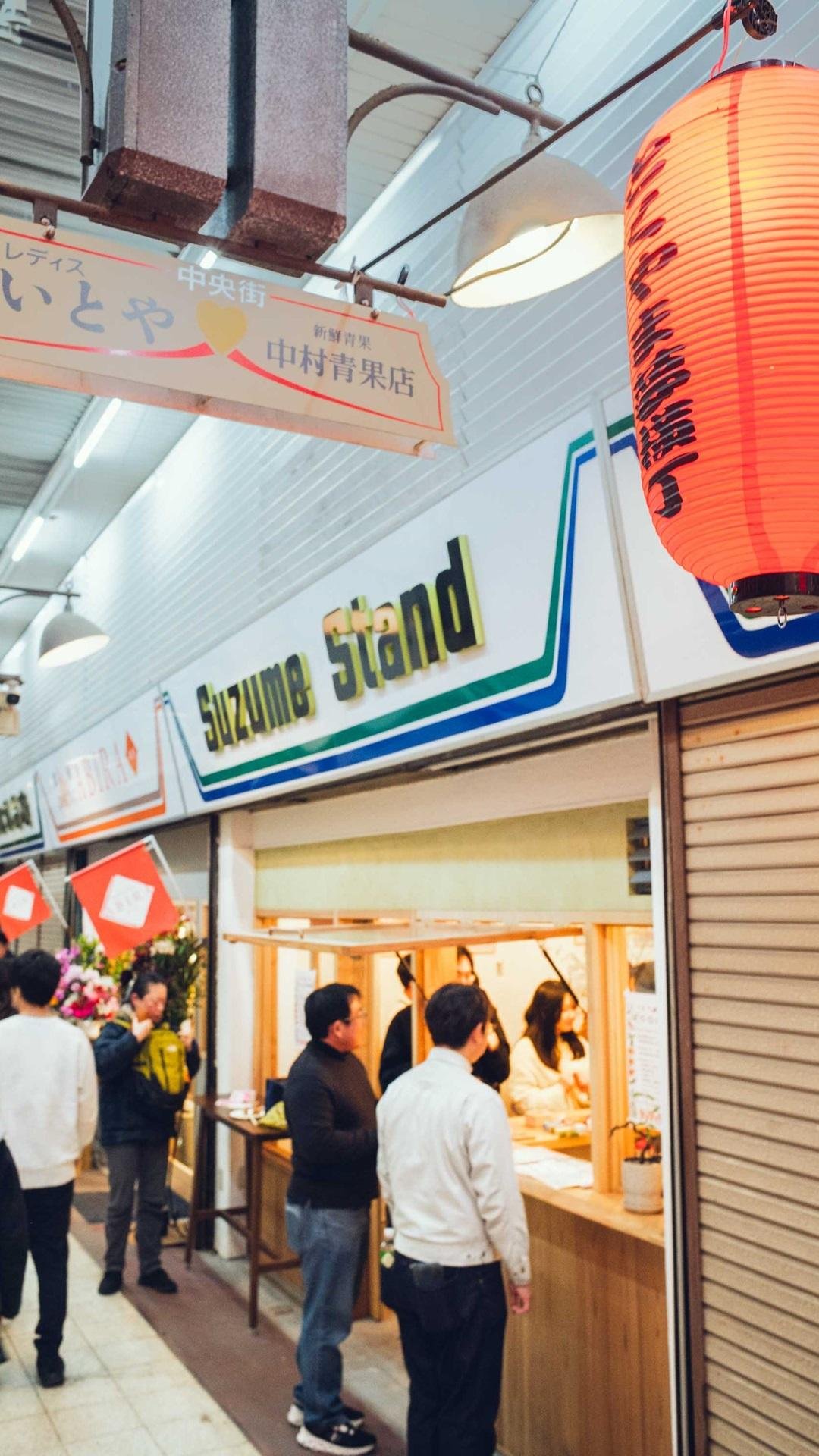
Yamanaka:
Our wish wasn't simply to increase the number of stores, but rather to nurture the "vibrancy and warmth of the town" that lies beyond that. In the central shopping district, shop owners are now launching events based on their own ideas, vividly showcasing the charm of the shopping street.
Instead of acting because someone tells them to, the local residents themselves, who want to make this town a better place, are taking the initiative to drive change in the community. I believe the changes happening in the central district are proof that this kind of "self-sustaining urban development" is beginning.
The future of regional revitalization: collaboration between government and private sector
—With increased foot traffic and new store openings, we've also seen improvements in area value, such as rising land prices and progress in redevelopment around the station. Based on these achievements, what initiatives do you think are necessary going forward for the government and private sector to collaborate and enable local communities to become self-sufficient?
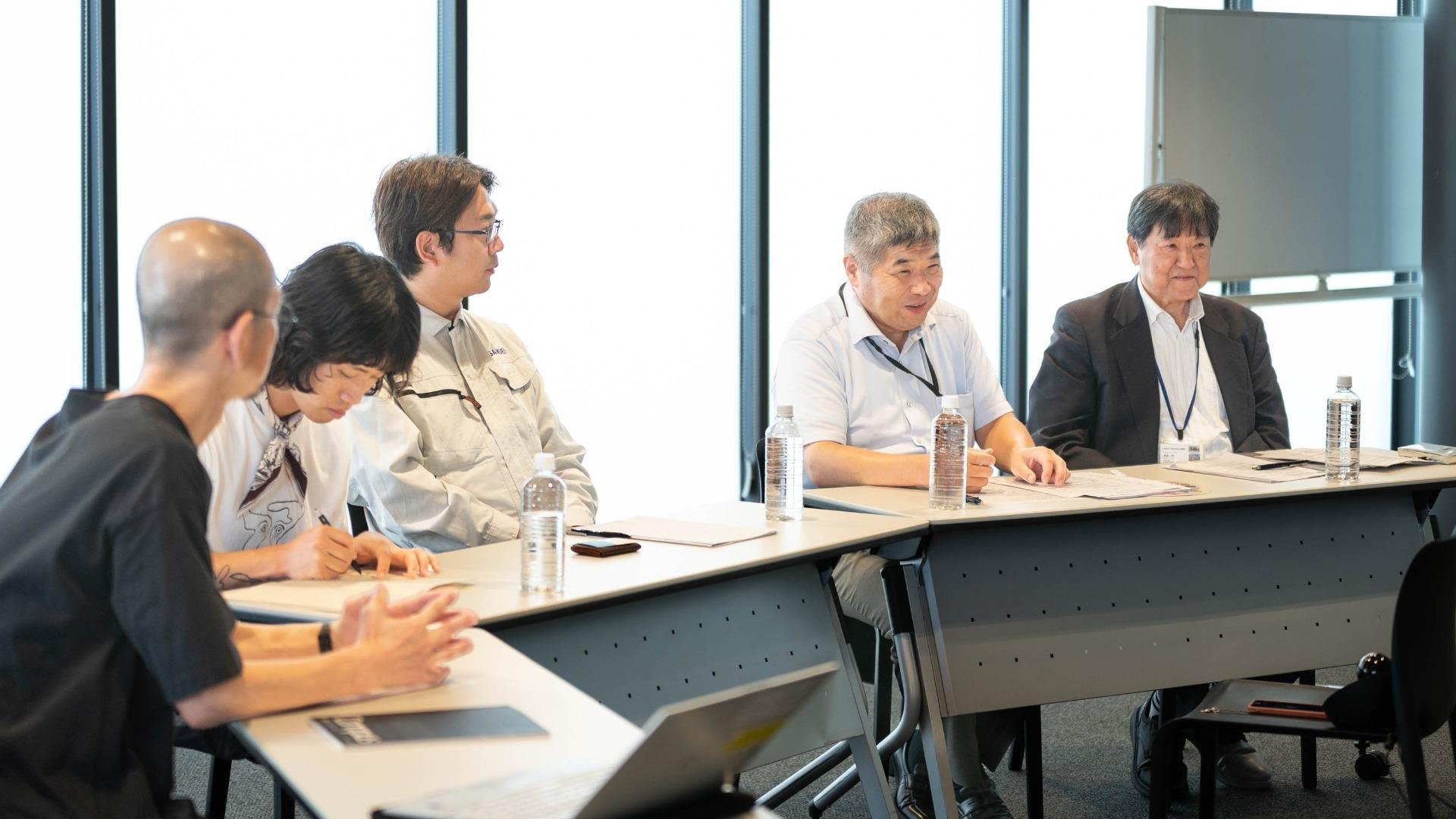
Ueno:
Local issues cannot be solved by the government alone. On the other hand, I think it would be difficult for the private sector alone to mobilize an entire city. The important thing is to leverage each person's strengths while having a common goal and working together towards the same direction.
In Shunan City, in addition to the administrative roles of developing public facilities and designing systems, we have been working to create an environment that makes it easier for private businesses, including CCC, and local players to take on challenges. I believe that the accumulation of those experiences has led to the changes we see today.
Going forward, we aim to create a town where diverse challenges can flourish, while increasing the options available to younger generations that make them want to stay in the area or return even if they leave.
Yamanaka:
What we have been working on in Shunan City is not just operating a facility, but also creating an environment where people can connect using the facility as a starting point, and where new activities and businesses can be born.
Challenges and resources vary from region to region. However, in every region, there are people who want to make their town a better place. Our role is to create a system where these people can meet, their activities can expand, and that these can be passed on to the next generation.
What we aim for is not a city that is constantly being driven by the government or the Community Council, but a "self-sustaining city" where the community itself takes the lead. I believe the changes happening in Shunan City are one manifestation of this trend.
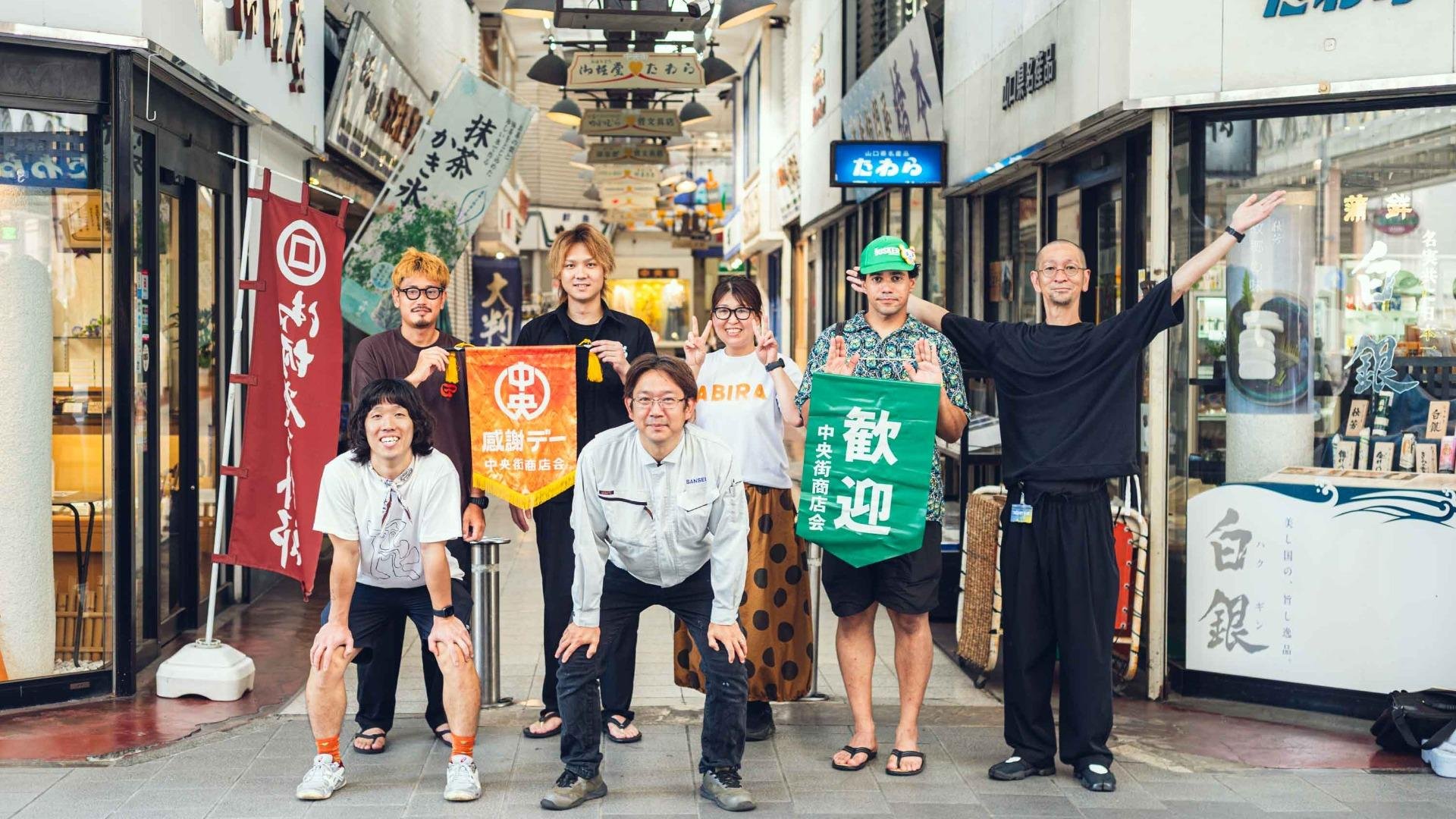
In conclusion—A story of the future, connecting across generations.
The changes that began with the "Tokuyama Station Front Revitalization and Exchange Facility" are no longer being driven solely by the government and CCC. In the central shopping district, new shop owners are taking on new challenges, while those who have supported the town for many years are cheering them on. This kind of cycle is gradually becoming a part of everyday life. Finally, we heard from the perspectives of the shopping district association, which has watched over this area for a long time, and from the perspective of the new challengers who are about to step in, about the changes and future of the central district as they see them.
—Having watched over this town for many years, and now as someone newly entering the area, how do you perceive the changes in the central district?
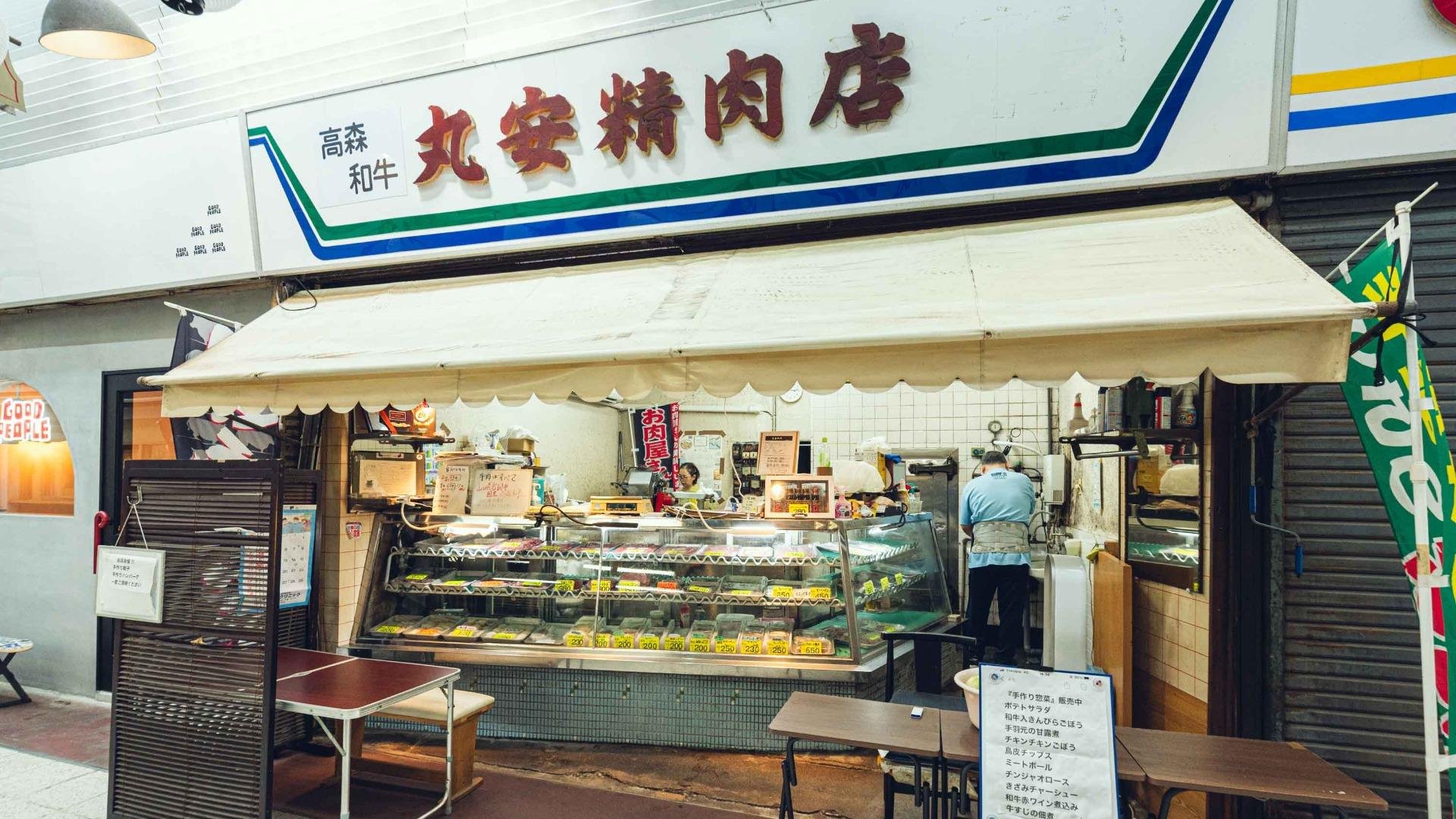
Masanori Ando (Chairman of Maruyasu Meat Shop Chuo-gai Commercial Cooperative):
This is the town where I was born and raised, and it's been 30 years since I took over the shop. At one point, many shops were closed, and I felt a sense of sadness, wondering if it was impossible to resist the changing times. However, thanks to young people like Mr. Ishida from Mitsuboshi and Mr. Hamamatsu from "Suzume Stand" who kept the light on without giving up, the number of young shops has increased miraculously, and the nighttime vibrancy has returned.
It's much better for young people to take on challenges and brighten up the town than for the shutters to remain closed. The next challenge is how to create a lively atmosphere during the daytime, but that's also a positive step. I'm really looking forward to having a new challenger like Ms. Kanno join us and weaving the next story together.
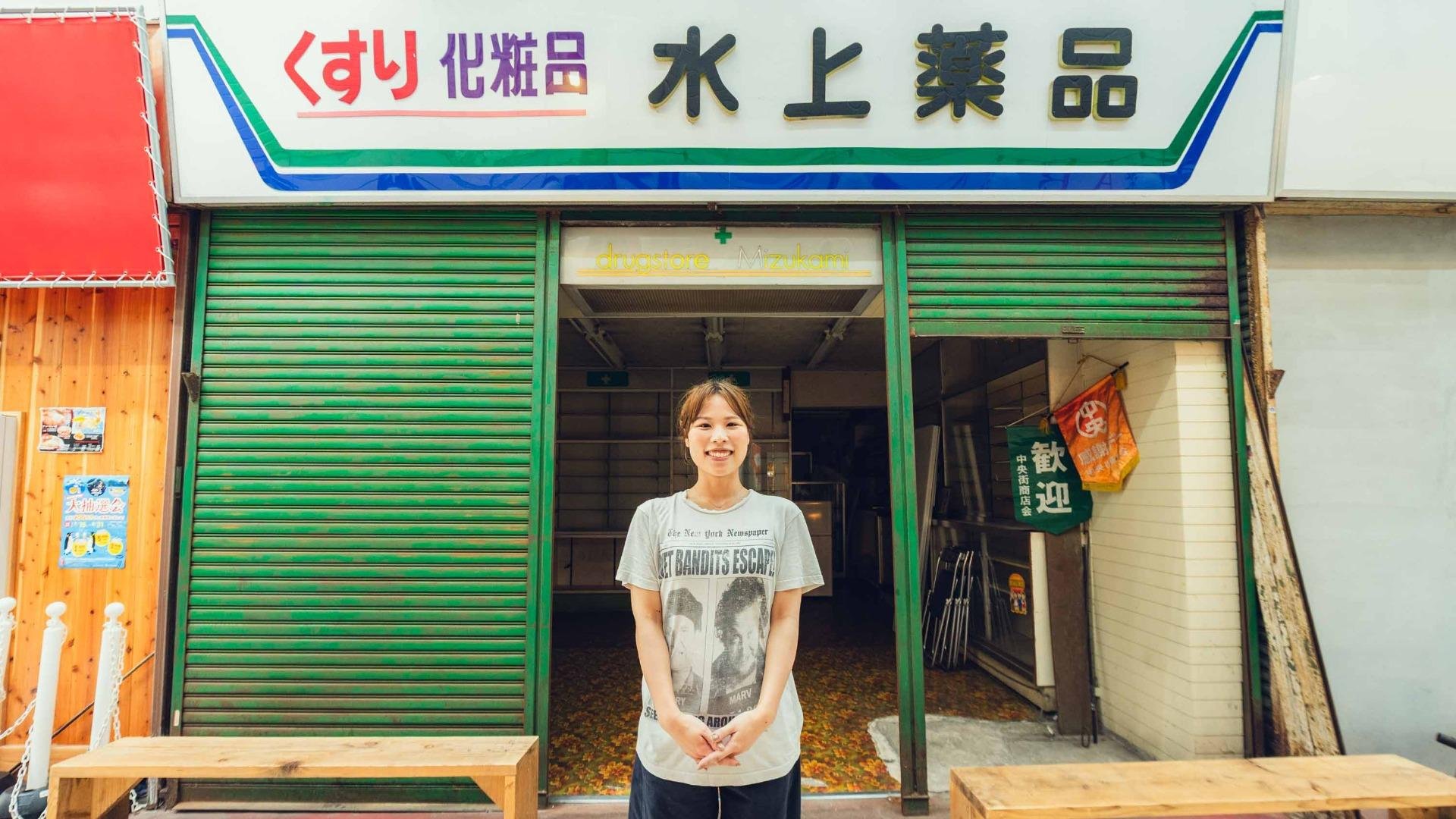
Aina Kanno (Wine Stand Owner, scheduled to open at the end of 2026):
Even back when we were operating behind Tokuyama Station, we had the desire to "create a place where women can casually drop by and feel comfortable." It was at that time that I encountered the nostalgic and warm atmosphere of the alleyways in this central district. The moment I saw it, I instinctively knew, "This is the place where I want to open my shop." I hope that the "vintage clothing x natural wine" concept I'm proposing will blend seamlessly with the retro atmosphere of this town, creating a new kind of vibrancy. It is because of the warm and supportive environment created by our predecessors, like Mr. Ando, who have supported this town for so many years, that we can confidently take on this challenge. I want to bring a breath of fresh air to this shopping street that I love so much, so that I can give back to the customers here.
If you resonate with the content of this site, please feel free to share it.


