
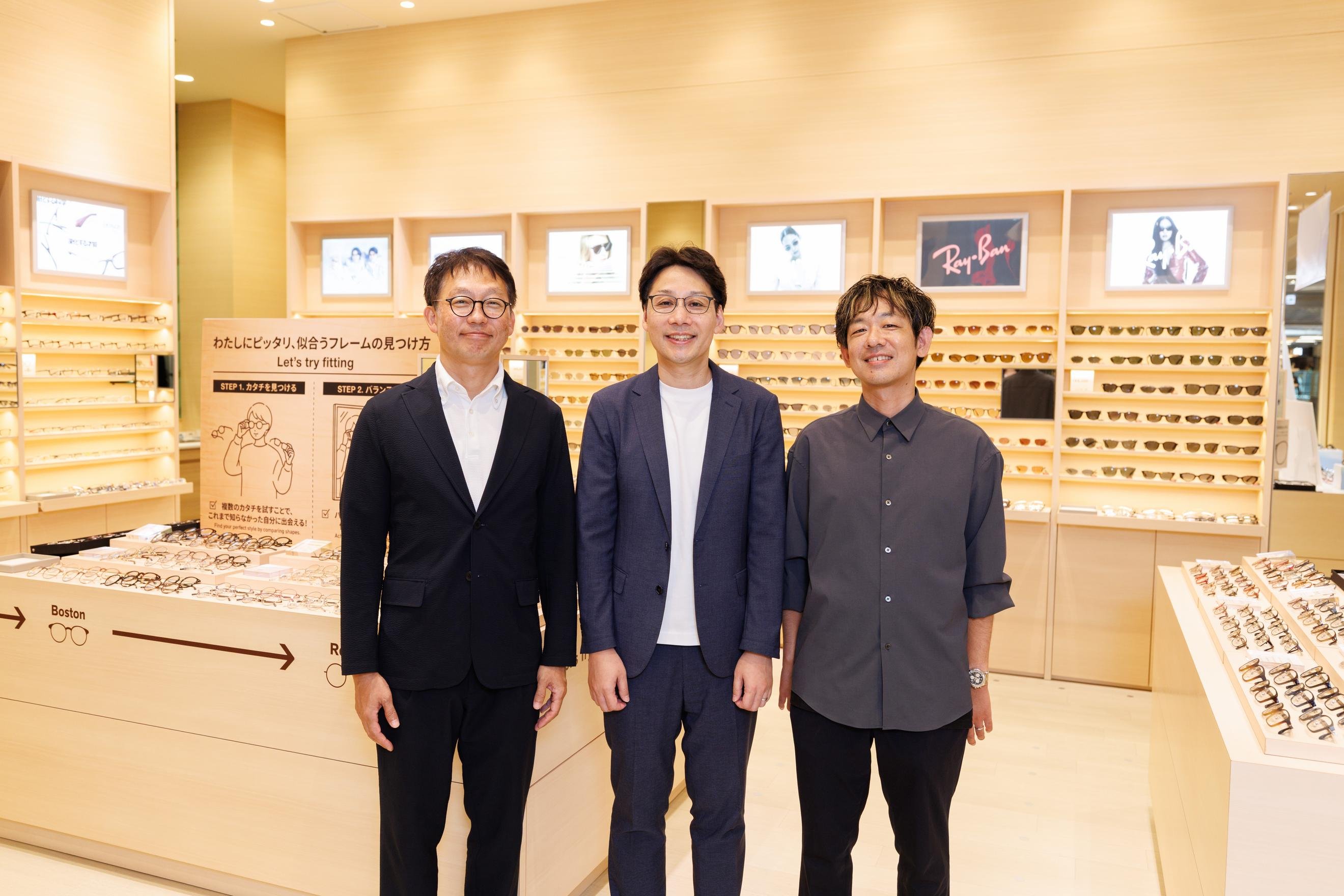
Transforming customer feedback, gleaned from data, into in-store experiences. Megane Top, V POINT MARKETING, and CCC embarked on a customer-centric store transformation.
Megane Ichiba boasts 1,000+ stores. Discover how they tackle the challenge of converting high brand awareness into visits and sales among new, female, and under-44 customers. (2026.10.09)
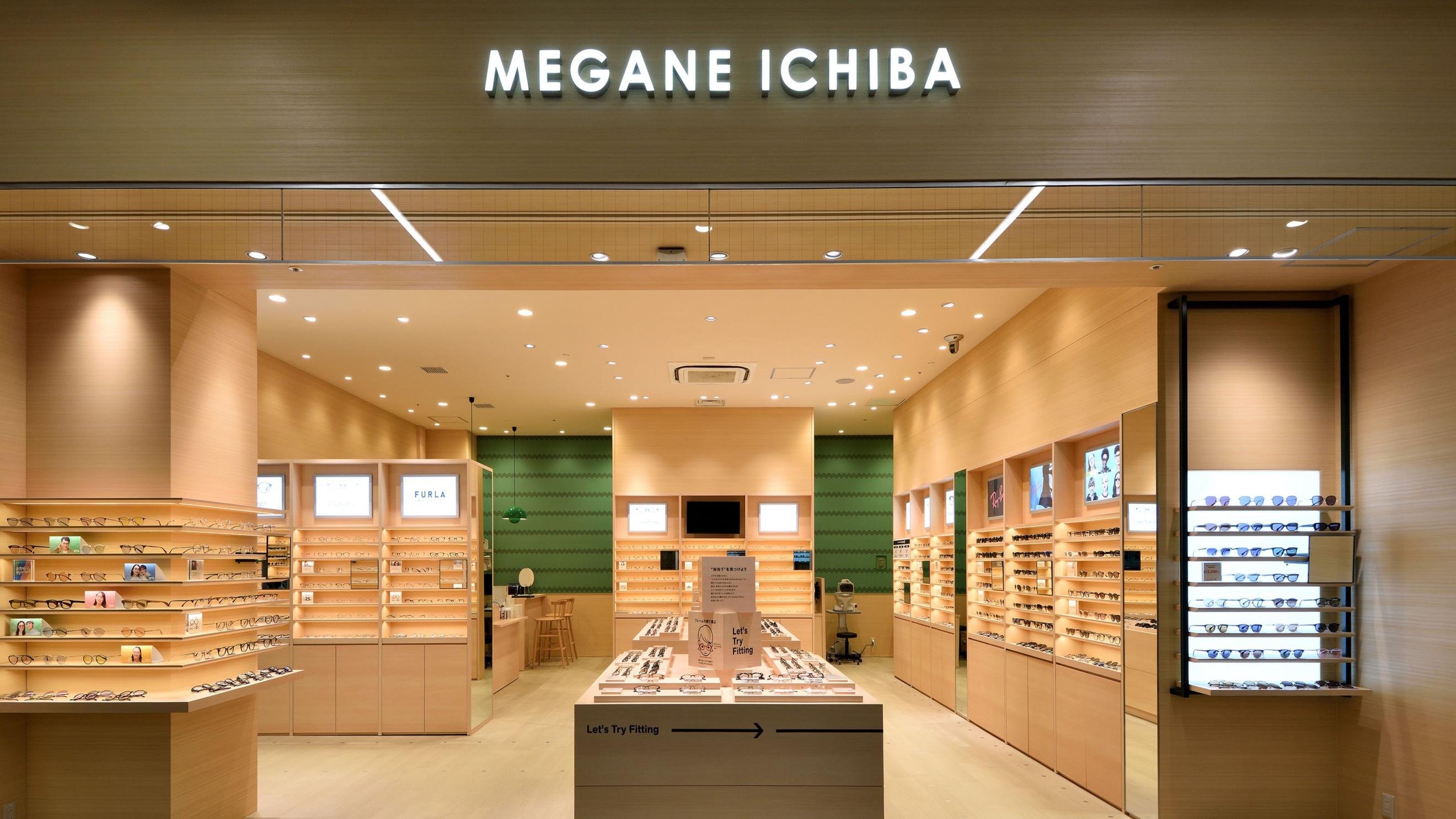
To address this challenge, Megane Top Co., Ltd. (hereinafter referred to as "Megane Top"), V POINT MARKETING Co., Ltd. (hereinafter referred to as "V POINT MARKETING"), and Culture Convenience Club Co., Ltd. (hereinafter referred to as "CCC") have launched a renewal project for "Megane Ichiba LaLaport Tachikawa Tachihi Store". We deepened our understanding of our customers through accumulated data and customer feedback, and then transformed those insights into tangible store experiences. The initiatives of these three companies have transformed sales floors and customer service, and have brought new perspectives to product planning and organizational thinking.
A transformation that began with "understanding the customer."
Since starting their partnership with T-POINT (now V POINT) in 2016, Megane Top and V POINT MARKETING have been working on analysis and database marketing utilizing purchase data. In this project, we leveraged our long-standing data and customer understanding as a foundation, combining and analyzing purchasing data, customer surveys, and observations of customer movement within stores.
What became clear from this was that people's behavior and values when purchasing eyeglasses differ depending on their age, and that there is a gap between the product choices that companies anticipate and the actual behavior of customers.
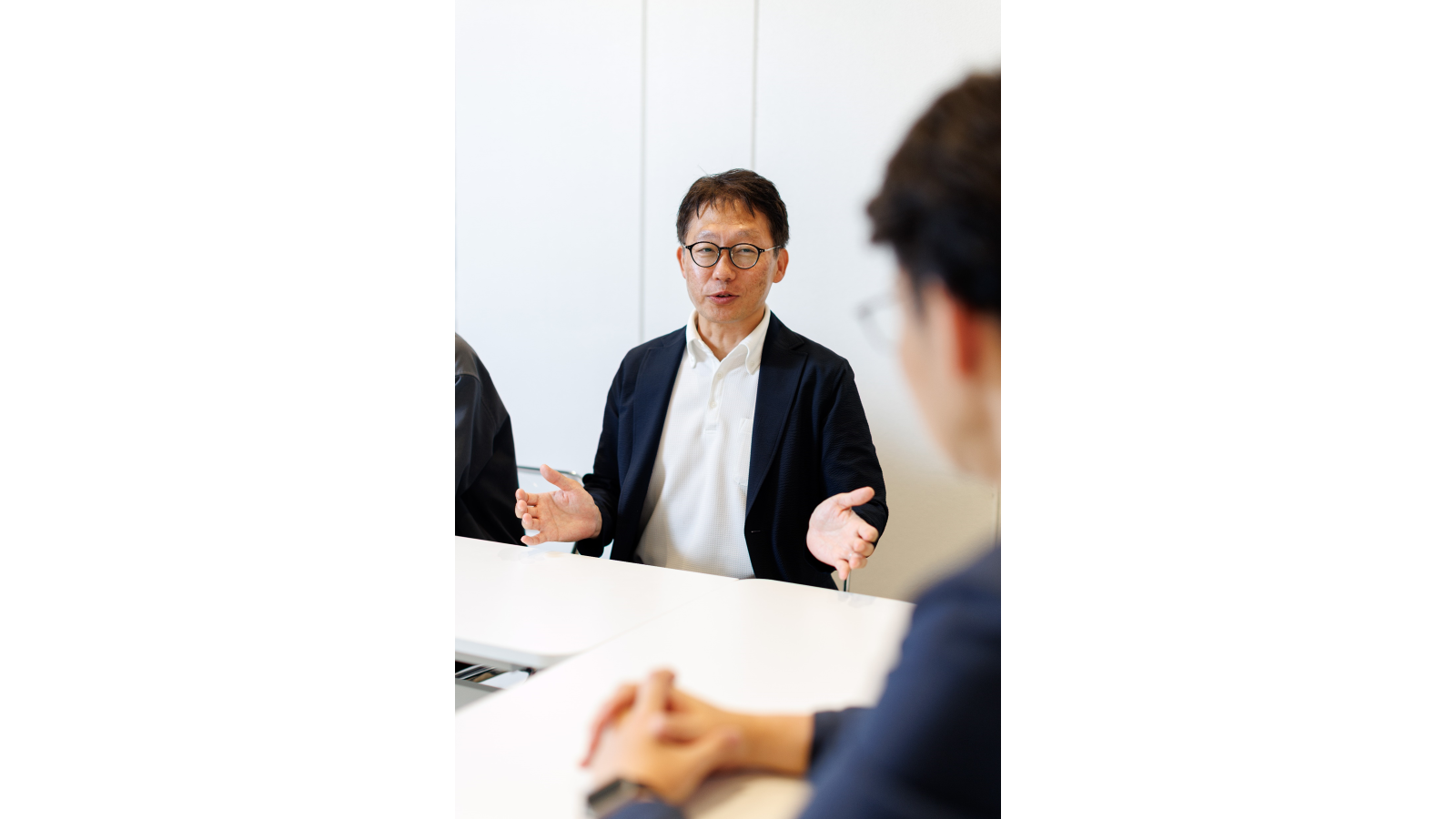
V POINT MARKETING Co., Ltd. Consulting Account No. 3, Tomoyuki Nomura:
"There were differences in how younger people and older people buy eyeglasses."In addition to the data we have analyzed so far, we have organized the differences that have emerged from this survey and other sources, and prepared the foundation for the eyewear market to embark on new initiatives."
The data revealed the need to re-evaluate the entire experience, including not only brand awareness and location, but also how the store is perceived and how customers encounter the products. Based on these analysis results, Lalaport Tachikawa Tachihi store was selected as the pilot store for this project.
Akihiko Saito, Head of Brand Strategy Office, Megane Top Co., Ltd.:
"Our challenges over the past few years have been the low number of new customers, female customers, and customers under the age of 44."We thought that in-shop locations would allow us to attract that demographic, but we haven't been able to fully capture their attention. We chose the Tachikawa Tachihi store for this project because it has a particularly large number of customers that we want to attract in the future."
To address these challenges, Megane Top explored new store concepts while incorporating external perspectives.
This was based on a deep understanding of customers cultivated through years of collaboration with V POINT MARKETING, and CCC's extensive experience in redesigning websites across various industries. CCC isAutobacs Seven's "A PIT AUTOBACS"orAkachan HonpoWe have supported projects that redesign the store experience from the user's perspective, such as the above.
Akihiko Saito:
"We have had a long-standing relationship with V POINT MARKETING, and they understood our concerns."Among the various projects CCC has undertaken in collaboration with other companies, I was particularly impressed by their work on creating a women's-oriented store at "A PIT AUTOBACS."For us, who wanted to strengthen our connection with new customers and female customers, this was a realization that 'there's this kind of approach,' and it made us want to re-examine our stores from a customer-centric perspective."

Thus, the three companies decided to start by understanding their customers before considering store renovations.
Let's create the "ideal eyewear store" together.
Members from multiple departments at Megane Top, including brand strategy, product planning, sales, store presentation, and design, participated. We brought together our respective expertise and field experience to discuss the value we should provide to our customers.
Akihiko Saito:
"We have always operated our stores with the philosophy that we have confidence in our own products and that customers should understand and appreciate their quality before purchasing them."On the other hand, even though we understood what our customers wanted and what problems they were facing, we couldn't figure out how to specifically improve things."
CCC planned and designed workshops to deepen customer understanding. With the theme of "What is the ideal eyewear store?", we wrote down customer complaints and expectations, as well as the store image envisioned by each department, on sticky notes and engaged in repeated discussions.
With members from different departments such as product development, sales, and design participating, CCC facilitated the discussion, using "value for the customer" as a common thread. We organized the experiences and operational conditions that needed to be realized in the store.
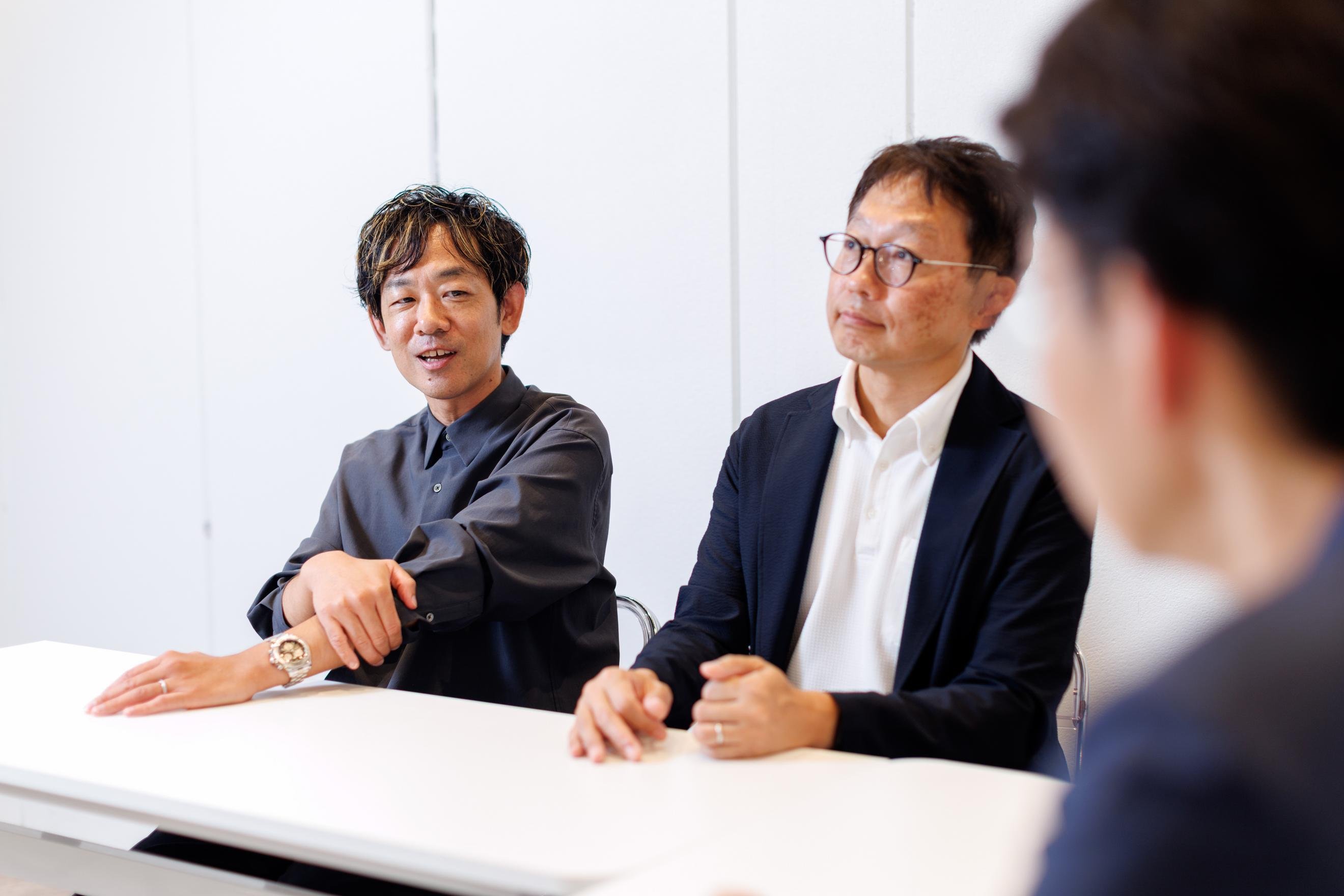
Culture Convenience Club Co., Ltd. Regional Revitalization Business Development Department Research & Planning, Kosuke Higashitani:
"Customers at eyeglass stores often have backgrounds such as 'poor eyesight' or 'difficulty seeing.'"I believe that understanding the psychology and life backgrounds of these customers is essential for creating a successful store. We worked together with everyone to define what kind of experience we should offer, while clarifying the unique value proposition of Megane Ichiba (Eyeglass Market)."
Akihiko Saito:
"We emphasized sharing opinions regardless of department or position, and even for proposals that were difficult to implement, we discussed why they were difficult."It took some time, but because we understood the reasons why some of the proposals weren't adopted, everyone was able to proceed with a sense of satisfaction."
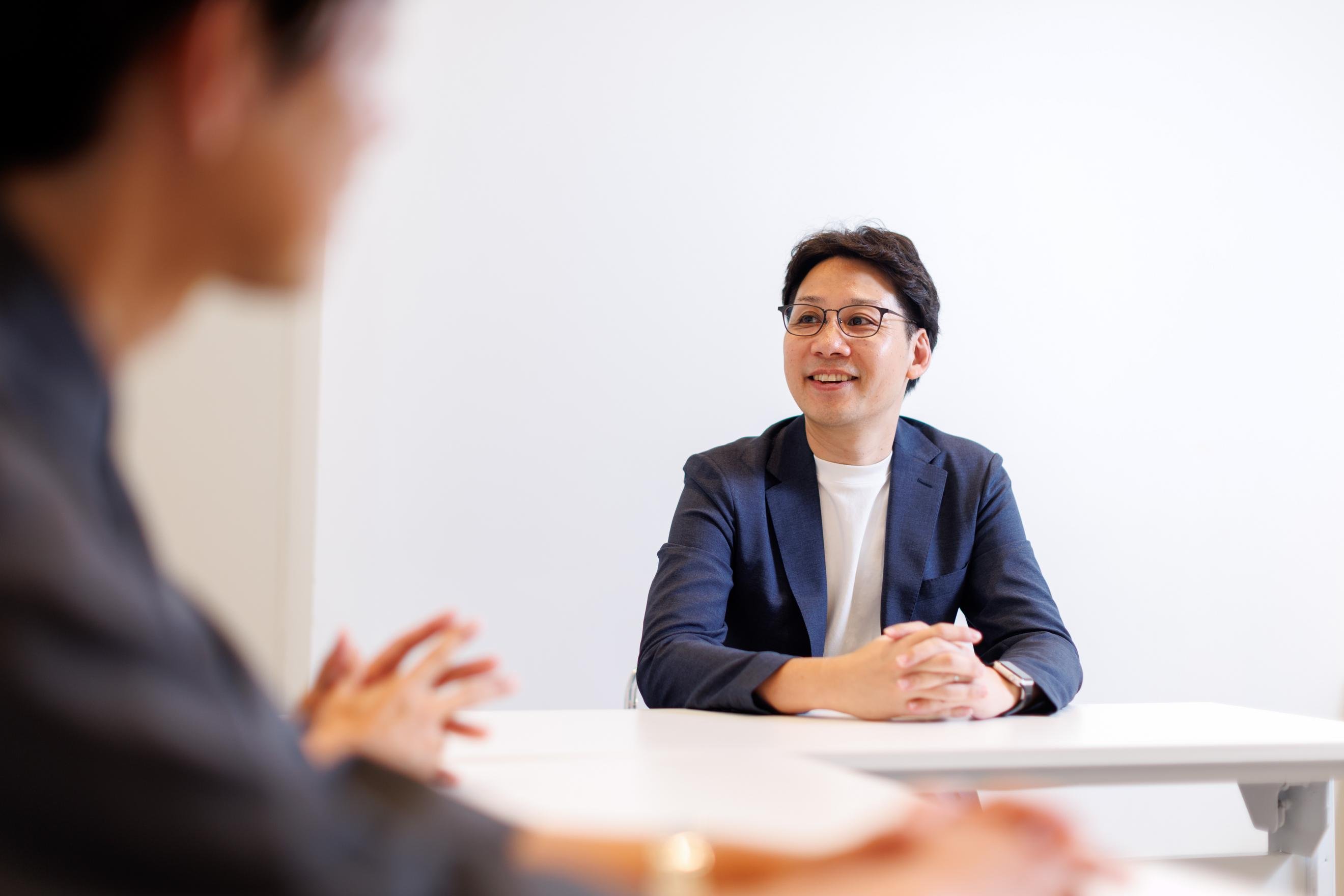
V POINT MARKETING and CCC worked together to deepen their understanding of customers, starting with data, and collaborated to envision the ideal state of the business and customer experience by bringing together the insights of stakeholders.
From "choosing a brand" to "finding what suits you"
The turning point in the project was the realization of the gap between "the sales floor as envisioned by the company" and "the experience that customers desire."
At Megane Ichiba, we emphasized a style where we communicated the characteristics of each brand's products, fostering understanding and empathy before allowing customers to finally choose a product. However, the survey results revealed that customers are searching for products based on their own purposes and desired designs, such as "I want black glasses," "I want round glasses," or "I want glasses that suit me."
Therefore, the three companies redesigned their sales floors to better reflect customers' thoughts and actions, and redesigned the entire experience of choosing eyeglasses. This is how the concept of "Eyeglass Market where you can find glasses that suit you" was born.
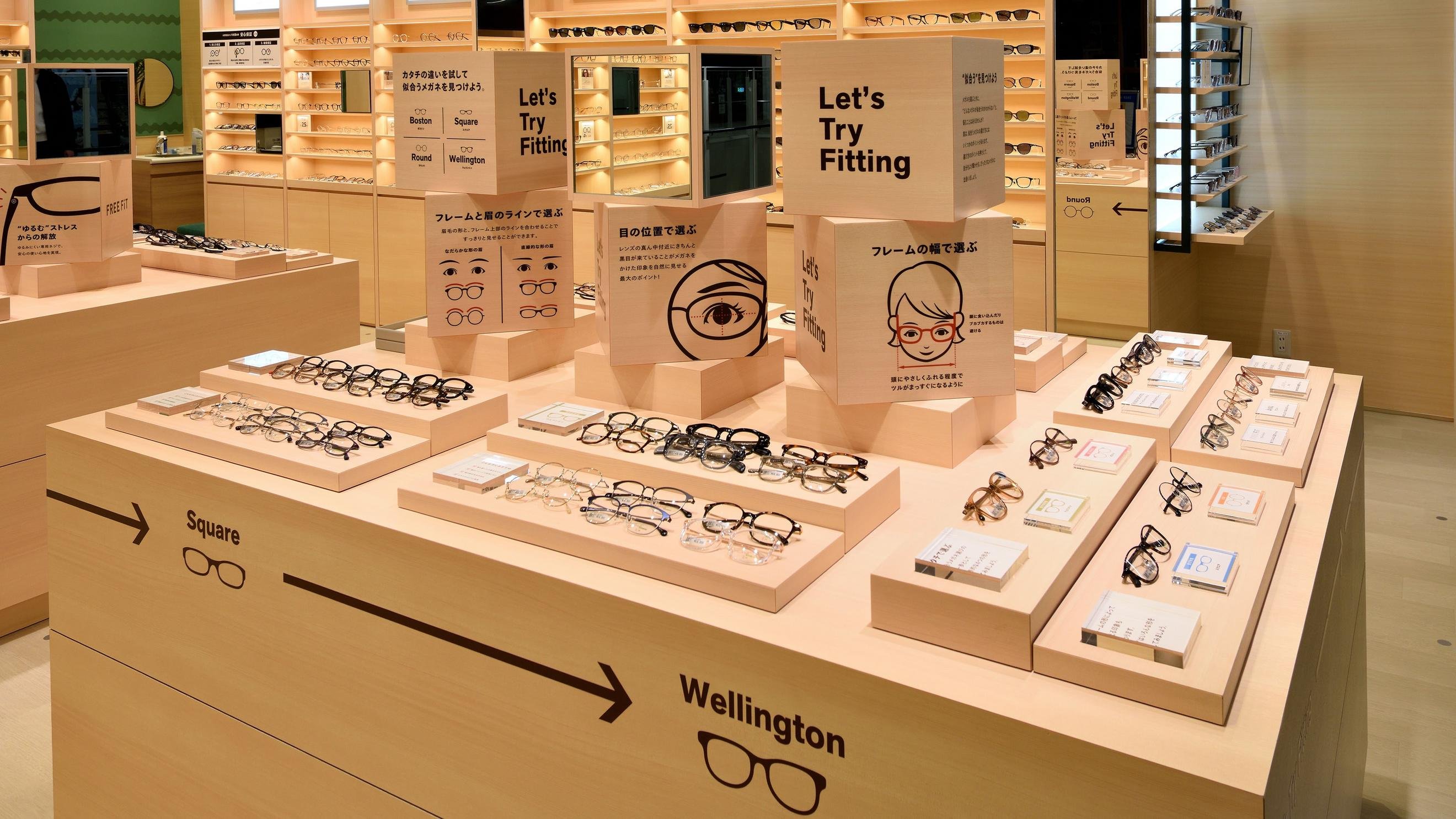
We've created an introductory zone within the store to help customers find glasses that suit them, and transformed the sales area into one where they can compare products by shape, size, and design.
We also incorporated the results of our customer analysis into the spatial design. We widened the aisles to ensure easy movement and created a layout that prioritizes ease of finding and selecting products. Furthermore, we incorporated wood materials to create a space where customers can easily drop by and browse products in a relaxed atmosphere.
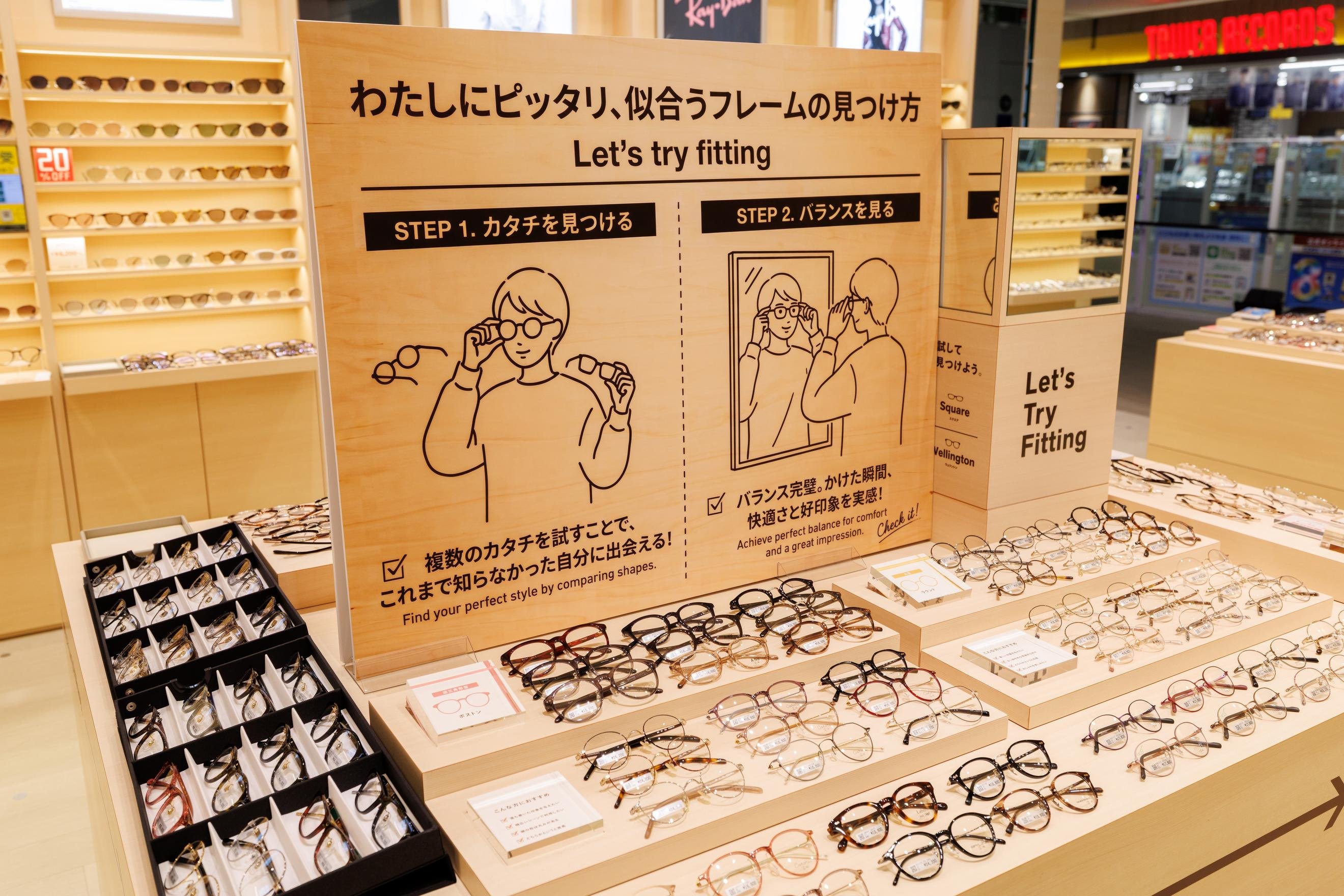
We also reviewed our customer service approach. Instead of having staff guide the product selection process as in the past, we prioritize an experience where customers can compare products themselves and make an informed choice. We shifted our approach from having customers "choose" glasses for us to having them "find" them themselves.
Akihiko Saito:
"When customers are approached while they are still searching for a design that suits them, it can actually confuse them even more."At our Tachikawa Tachihi store, we've changed our approach to one where customers can freely try on different pairs of glasses and have time to make their own informed decision. We only approach them when they feel ready to discuss their options.
We connected the sales floor, customer flow, and customer service with the concept of "finding what suits you," designing a consistent experience for customers from the moment they encounter a product until they are satisfied with their choice.
The transformation of stores brought about by experience design
In a customer survey conducted after the renewal, the ratings for all 11 items improved. The areas that saw the biggest improvements were the "store's exterior" and the "ease of selecting products."The store design's reputation spread both inside and outside the company, leading to numerous visits from employees and stakeholders across the country. Developers have also commented that "the image of Megane Ichiba (eyeglass store) has changed."
In this project, we designed the store experience to match the behaviors and values of specific target groups: new customers, female customers, and customers under 44 years old. As a result, not only have the store's appearance and ease of product selection received better ratings, but there are also beginning to be changes in the target customer base that the store was aiming for.
Akihiko Saito:
"We are seeing an increase in usage from our target customers under 44 years old, as well as from new customers."I feel that the Tachikawa Tachihi store has become a store that is well-suited to its location and the customers that visit it."
We start with understanding the customer, define the concept, and then implement it as a store experience. This initiative demonstrated that the process can lead to tangible results.
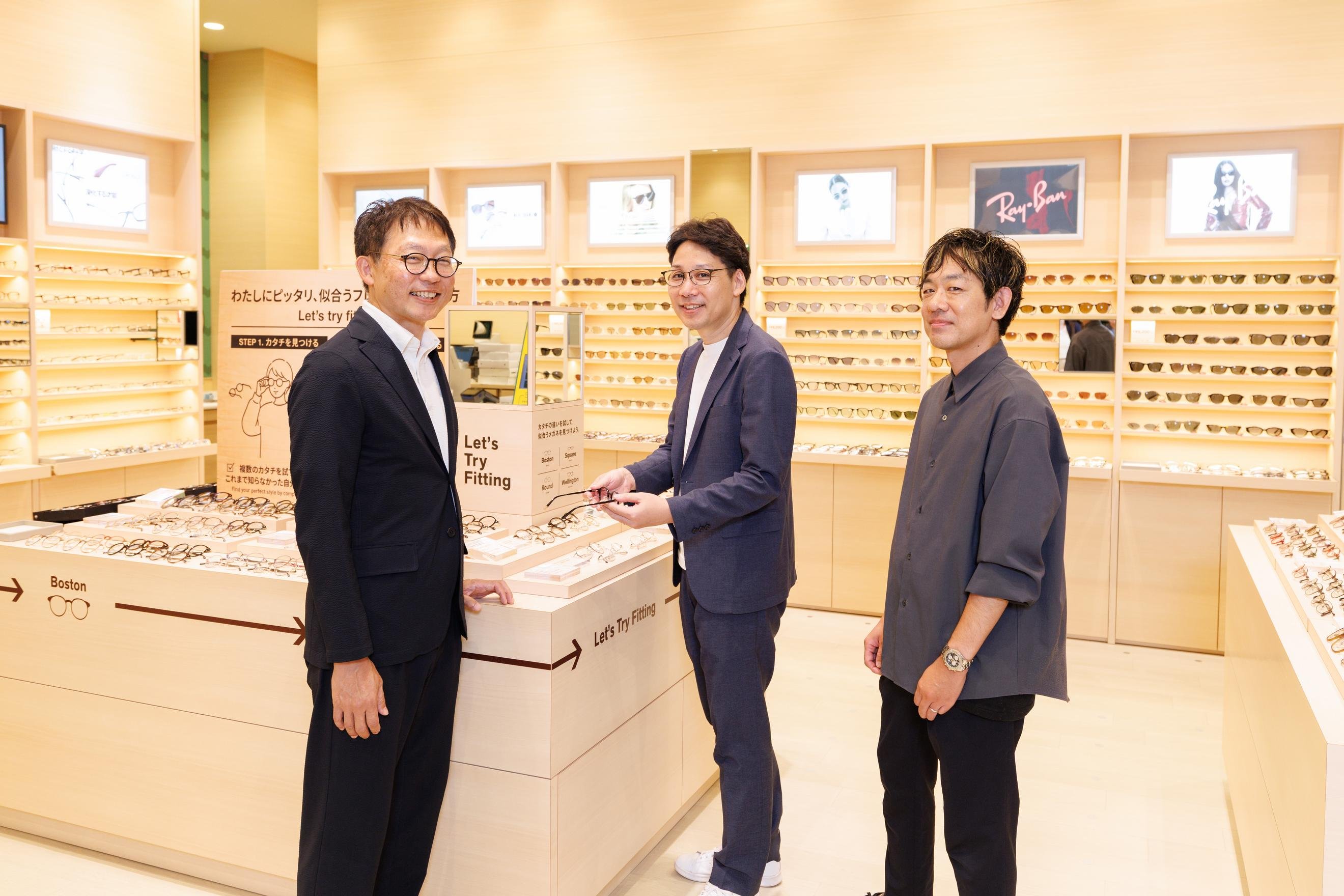
From one store to the future of the business.
These results went beyond simply renovating stores, bringing about changes in product planning and business thinking.
As we considered the sales floor from a customer-centric perspective, a new viewpoint emerged: in addition to the traditional method of "delivering products based on the brand," we aimed to "deliver products based on what prompted customers to need eyeglasses."
By re-examining consumer concerns and usage scenarios to understand their needs, such as "glasses that make your face look smaller," "glasses that make it easier to see things up close," and "glasses that can be easily used at home," we have discovered new possibilities for product development and store expansion.
Akihiko Saito:
"At Megane Ichiba, we offer a wide variety of products, but when we looked at them from the customer's perspective, we realized that there aren't actually that many items that perfectly meet their specific needs."When we started to analyze what prompted our customers to need glasses, our perspective on our existing product lineup changed."
We will use the Tachikawa Tachihi store as a testing ground, and use the customer feedback and results obtained there to inform future stores, products, and businesses. The insights gained from this initiative will not be limited to the Tachikawa Tachihi store, but will also be utilized in future store development and product development.
This project is a collaborative example that was realized by combining V POINT MARKETING's analytical capabilities, CCC's experience design expertise, and Megane Top's knowledge of product and store operations.
V POINT MARKETING andCCCWe will continue to collaborate with diverse partners, including companies, local governments, and developers, to promote initiatives that create the future of businesses and communities from the user's perspective.
If you resonate with the content of this site, please feel free to share it.


